
Direct answer summary
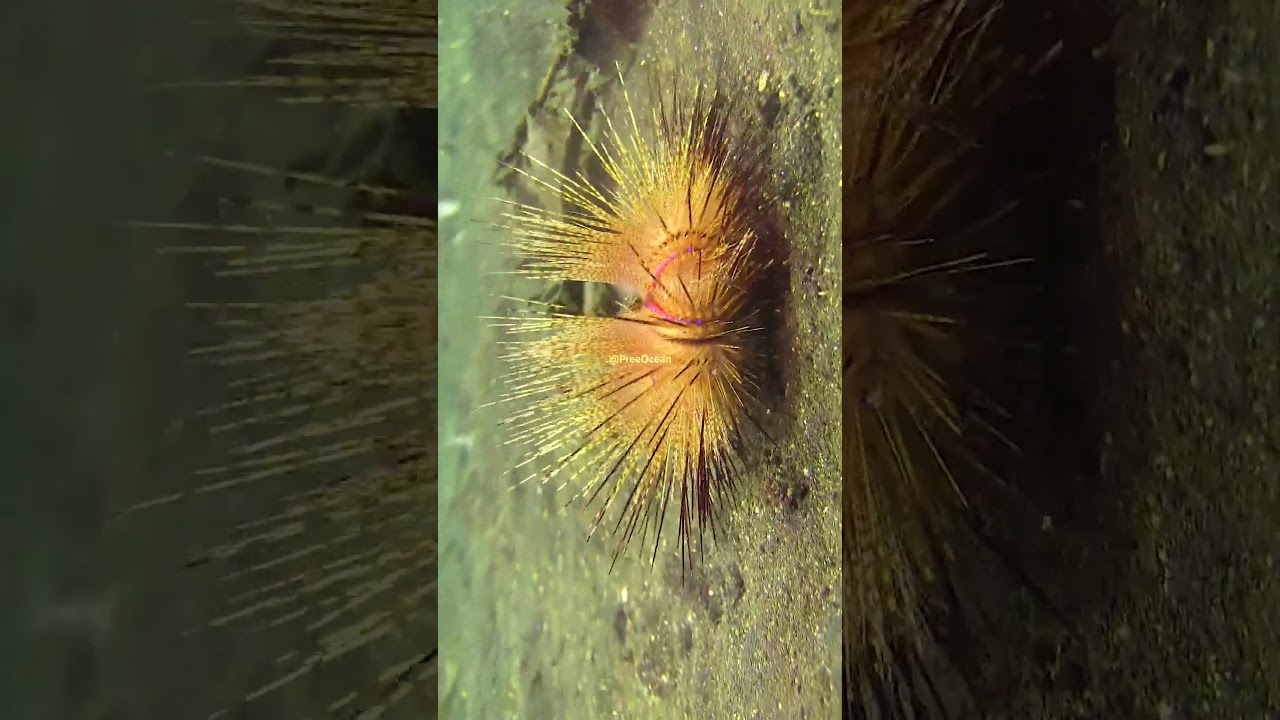
Sea urchins (class Echinoidea) achieve locomotion through a hydraulic water vascular system that operates hundreds of muscular, suction-tipped tube feet. By pumping fluid into these appendages, the animal creates suction to anchor itself and pull its test across the seafloor.
Key Field Takeaways
- Taxonomic Classification: Phylum Echinodermata, Class Echinoidea.
- Primary Behavioral Adaptation: Hydraulic propulsion via water vascular system and tube feet.
- Ecological Niche & Range: Benthic zones ranging from intertidal pools to depths of over 5,000 meters.
- Conservation & Field Status: Generally stable, though sensitive to ocean acidification and temperature fluctuations.
| Feature | Specification |
|---|---|
| Scientific Name | Echinoidea |
| Common Name | Sea Urchin |
| Conservation Status | Varies by species, some populations threatened by habitat loss |
| Primary Diet | Algae, kelp, and small detritus |
| Natural Habitat | Benthic, rocky, and sandy substrates |
| Key Adaptation | Hydraulic tube feet and calcareous test |
Locomotion mechanics in benthic environments
The locomotion of a sea urchin is a study in hydraulic engineering. The animal operates its tube feet through a pressurized system of canals filled with seawater, which allows for precise, independent movement of each appendage. As observed in the field, these tube feet emerge through pores in the rigid, spherical test, or shell.
The role of the water vascular system
The water vascular system functions by moving fluid into the ampullae, which are bulb-like structures located inside the test. When the ampullae contract, fluid is forced into the tube feet, causing them to extend. Once the terminal suction cup contacts the substrate, the animal can generate the force required to pull its body forward, demonstrating a highly efficient method of benthic locomotion.
Morphological and anatomical adaptations
The body of a sea urchin is characterized by its radial symmetry and defensive armature. The spines, which are modified calcareous structures, provide protection against predators and assist in stabilizing the animal on uneven terrain. These spines are attached to the test by ball-and-socket joints, allowing for a wide range of motion.
Sensory and feeding structures
Beyond locomotion, the tube feet act as sensory organs, detecting chemical cues in the water that guide the urchin toward food sources like macroalgae. The mouth, located on the underside of the body, contains a complex jaw apparatus known as Aristotle’s lantern. This structure consists of five calcified plates that act as teeth, allowing the urchin to scrape algae from rocks or consume organic detritus.
Ecological niche and environmental interactions
Sea urchins occupy a critical role as primary consumers in marine ecosystems. By grazing on algae, they prevent overgrowth that could otherwise smother coral reefs or kelp forests. Their presence is a biological indicator of healthy benthic habitats, as they require stable water quality to maintain their complex hydraulic functions.
Interspecies dynamics
In many coastal zones, the activity of sea urchins influences the distribution of other benthic species. Their grazing patterns create clearings in algal mats, providing space for other organisms to colonize. Understanding these dynamics is essential when studying complex marine systems, much like the red lionfish biology or the feeding strategies of other reef-dwelling organisms. Proper management of these habitats ensures that echinoderm populations continue to support the broader marine food web.