
Direct answer summary
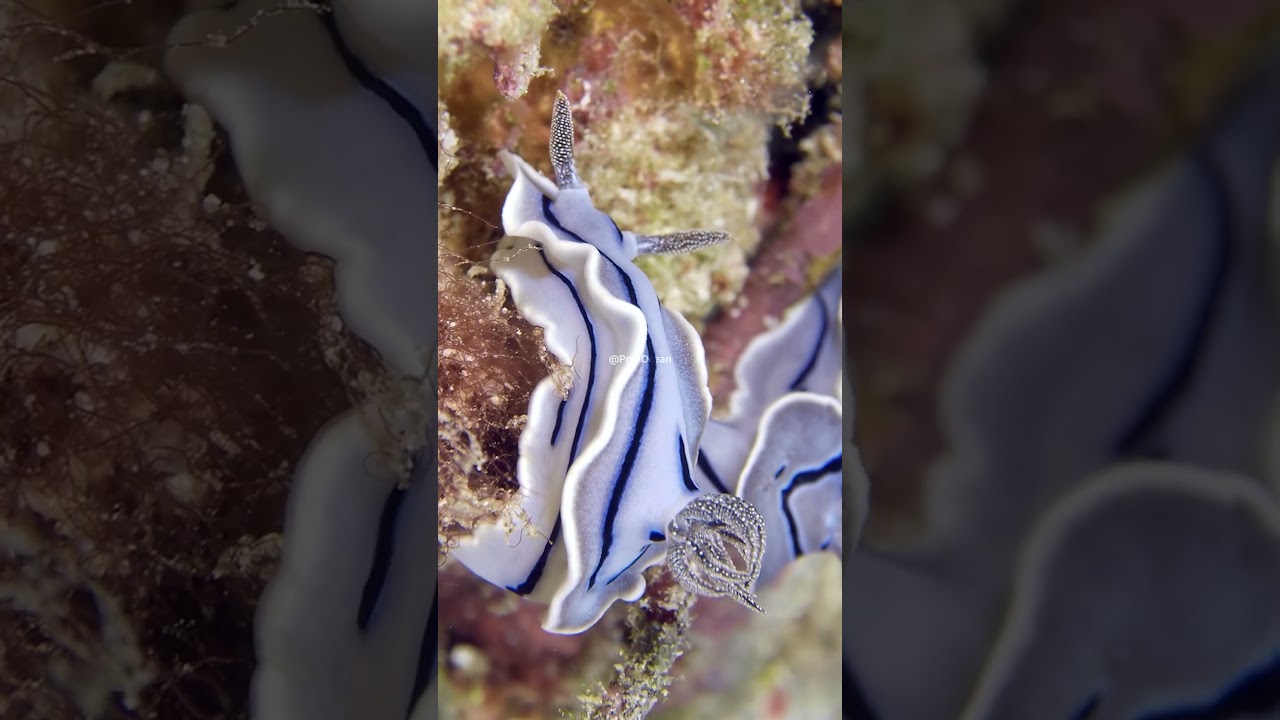
Chromodoris willani is a species of dorid nudibranch, a shell-less marine gastropod mollusk, characterized by its white body with distinct black longitudinal stripes and blue margins. This species reaches lengths of 20 to 50 millimeters and inhabits tropical Indo-Pacific coral reef systems.
Key Field Takeaways
- Taxonomic Classification: Family Chromodorididae, Genus Chromodoris, Species Chromodoris willani.
- Primary Behavioral Adaptation: Aposematic coloration combined with chemical sequestration of sponge-derived toxins.
- Ecological Niche: Benthic reef dweller, specialized as a sponge predator in the tropical Indo-Pacific.
- Sensory Morphology: Features specialized rhinophores for chemosensory detection and an external branchial plume for respiration.
| Feature | Specification |
|---|---|
| Scientific Name | Chromodoris willani |
| Common Name | Willan’s Chromodoris |
| Conservation Status | Not Evaluated |
| Primary Diet | Sponges |
| Habitat | Coral reefs, Indo-Pacific |
| Key Adaptation | Chemical sequestration |
Physical observation and behavioral mechanics
The footage documents the locomotion of Chromodoris willani as it navigates a complex coral reef substrate. The movement is characterized by the smooth, muscular contraction of the foot, which enables the nudibranch to maintain a firm grip on uneven surfaces. The mantle edges exhibit rhythmic, wave-like undulations, a common mechanical trait in dorid nudibranchs that assists in stabilizing the animal during slow-paced foraging.
The anterior end of the specimen displays two prominent, lamellate rhinophores. These structures remain extended, actively sampling the water column for chemical stimuli. The posterior portion of the dorsum features the branchial plume, a feathery, external respiratory organ. The rhythmic pulsation of these gills is observable, reflecting the animal’s continuous gas exchange process in an oxygen-rich marine environment.
Morphological and anatomical adaptations
Chromodoris willani displays a specialized morphology optimized for life on the reef. Its body is flattened, reducing drag and allowing it to move efficiently across coral surfaces. The striking white, black, and blue coloration is a form of aposematism, signaling to potential predators that the nudibranch is chemically defended and unpalatable.
The rhinophores are highly specialized chemosensory organs, essential for navigating the complex topography of a reef. By detecting specific chemical signatures, Chromodoris willani can locate its preferred sponge prey. The external gill structure, or branchial plume, is retractable, providing a layer of protection against physical damage or potential threats.
Habitat range and benthic ecology
This nudibranch is endemic to the tropical waters of the Indo-Pacific region. It occupies a strictly benthic niche, residing on or near the sponges upon which it feeds. The reef environment provides the necessary micro-habitats for this species to thrive, offering both abundant food sources and structural complexity for concealment.
The ecological role of Chromodoris willani is that of a specialized consumer. By preying on specific sponge species, it regulates the distribution and growth of these invertebrates. Its presence is often an indicator of a healthy, diverse reef system, as it requires stable environmental conditions to maintain its specialized life cycle.
Interspecies relationships and evolutionary significance
The evolutionary success of Chromodoris willani is tied to its relationship with its food source. By sequestering toxins from sponges, the nudibranch gains a significant survival advantage, effectively offloading the metabolic cost of synthesizing its own chemical defenses. This strategy is a sophisticated example of chemical ecology in marine invertebrates.
Predator-prey dynamics in the reef are heavily influenced by such defensive strategies. Many reef-dwelling fish have evolved to recognize the aposematic patterns of nudibranchs, avoiding them to prevent the ingestion of noxious compounds. This creates a stable co-evolutionary balance within the coral reef community, similar to the specialized feeding interactions observed in arrow crab biology and other reef invertebrates.
Conservation status and ecosystem threats
While Chromodoris willani is not currently listed under specific IUCN conservation categories, it remains vulnerable to habitat degradation. Coral reef ecosystems are sensitive to rising ocean temperatures, acidification, and physical destruction from human activity. The loss of host sponge species would directly impact the survival of this specialized predator.
Protecting the broader reef structure is essential for the persistence of such niche-specific gastropods. Monitoring the health of benthic invertebrate populations provides insight into the overall resilience of the marine environment. Future research will likely continue to examine the chemical pathways used by these nudibranchs, further highlighting their role in the complex web of reef ecology.