
Direct answer summary
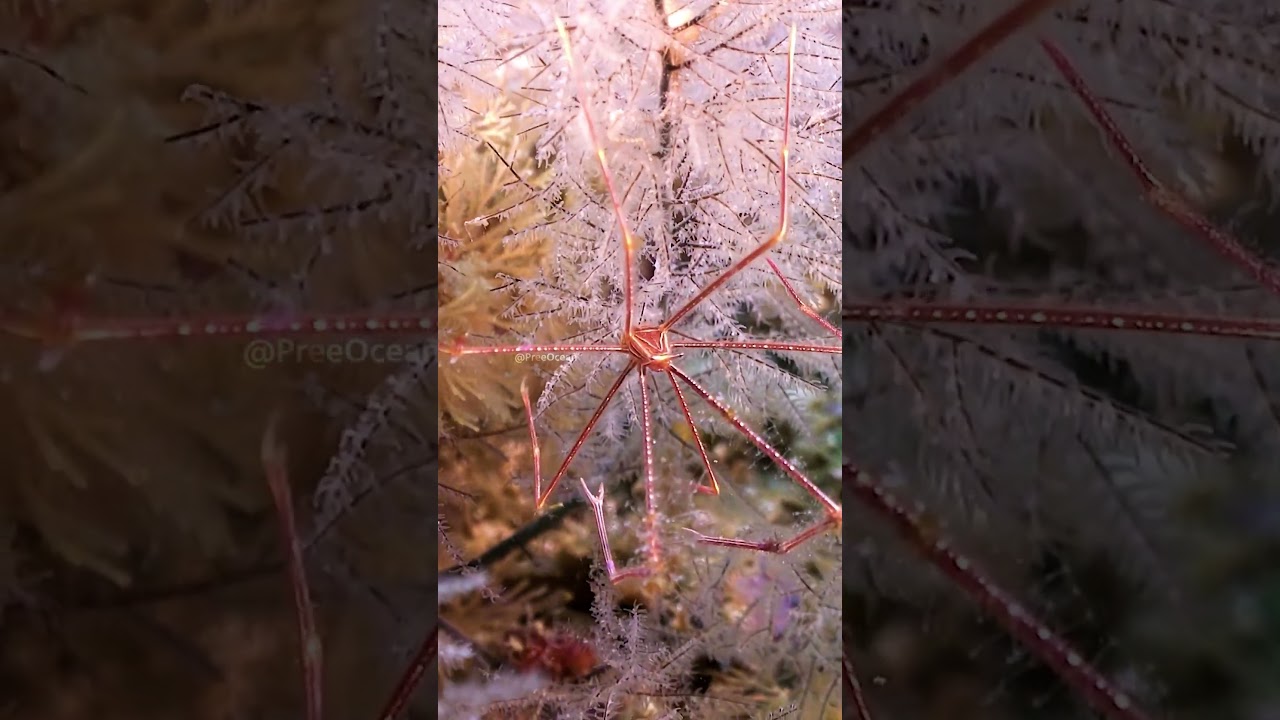
The arrow crab (Stenorhynchus seticornis) is a distinct marine decapod crustacean characterized by its highly elongated, spindly legs and a sharp, triangular rostrum. This specialized morphology allows it to navigate complex reef architectures while foraging for small invertebrates and detritus.
Key Field Takeaways
- Taxonomic Classification: Family Inachidae, Genus Stenorhynchus, Species seticornis.
- Morphological Adaptation: Possesses a rostrum that can reach lengths equal to or exceeding the carapace, aiding in sensory detection.
- Foraging Strategy: Utilizes elongated chelae to precisely extract prey from tight reef crevices and coral polyps.
- Habitat Range: Distributed across the western Atlantic, thriving in benthic reef environments at depths up to 300 meters.
| Feature | Specification |
|---|---|
| Scientific Name | Stenorhynchus seticornis |
| Common Name | Arrow crab |
| Diet | Omnivorous scavenger |
| Habitat | Coral reefs, rocky benthic zones |
| Key Adaptation | Elongated rostrum and spindly limbs |
Physical morphology and anatomical adaptations
The Stenorhynchus seticornis exhibits a body plan highly optimized for life within the complex, three-dimensional structures of coral reefs. Its most prominent feature, the elongated rostrum, acts as a primary sensory tool, allowing the crab to probe narrow crevices where larger predators cannot reach. The legs are disproportionately long and thin, providing a wide stance that distributes the crab’s weight across delicate coral structures without damaging them.
Sensory mechanics and limb specialization
Each limb of the arrow crab terminates in a sharp, pointed dactyl, which facilitates a secure grip on irregular surfaces. The chelae, or claws, are thin and delicate, functioning more like precision forceps than crushing tools. This anatomical specialization enables the crab to perform detailed foraging tasks, such as cleaning parasites off coral or extracting small crustaceans from rock fissures. In many ways, their foraging precision mirrors the specialized movements seen in sea urchin locomotion, where physical contact is managed with extreme sensitivity to the substrate.
Foraging behavior and ecological niche
Arrow crabs function as vital opportunistic scavengers within the reef ecosystem. They move with a slow, deliberate gait, constantly scanning the substrate with their antennae. By removing detritus and small organisms from the reef surface, they maintain the cleanliness of their immediate micro-habitat. This behavior is essential for the health of the reef, similar to the way leaf-cutter ant foraging manages organic material in terrestrial systems.
Habitat dynamics and distribution
These crustaceans are widespread throughout the tropical western Atlantic, from the coast of North Carolina down through the Caribbean and into Brazil. They occupy a broad bathymetric range, successfully colonizing shallow reefs and deeper, colder benthic zones. Their ability to remain cryptic amidst the branches of soft coral provides them with significant protection from visual predators like groupers and snappers. This reliance on structural complexity highlights coral health for the persistence of the species in its range.