
Direct answer summary
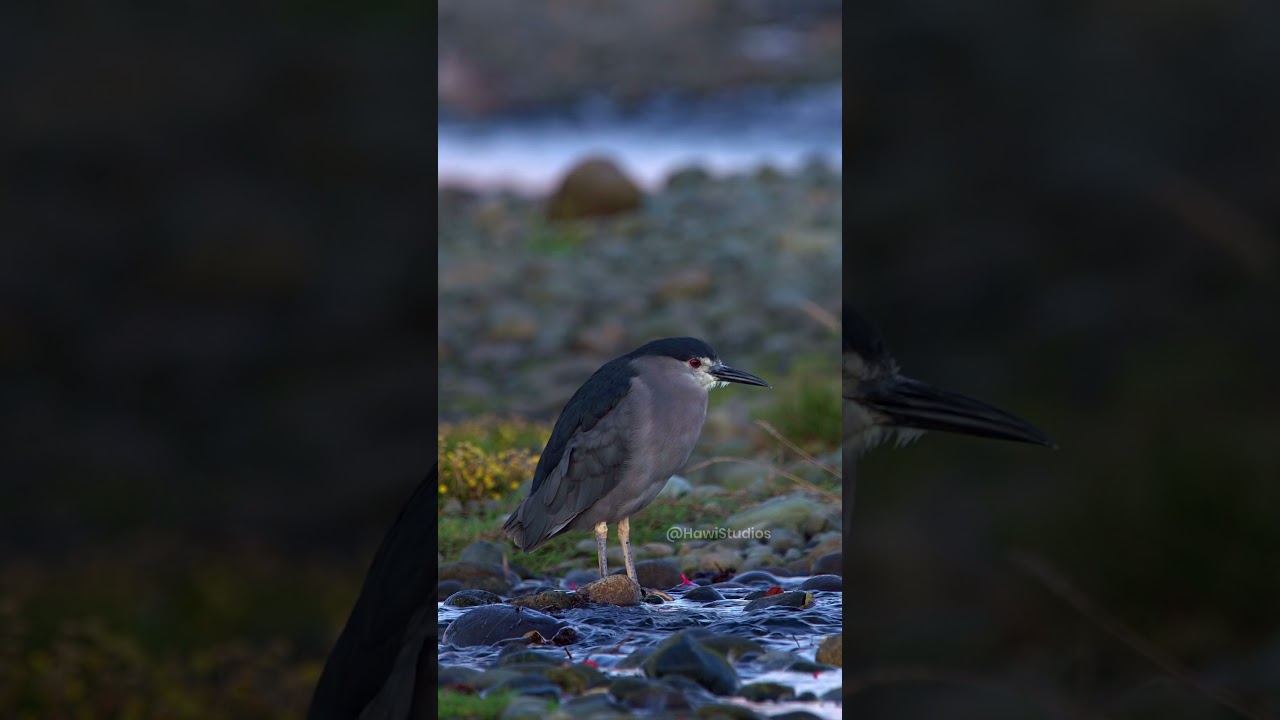
The Black-crowned Night Heron (Nycticorax nycticorax) is a medium-sized wading bird characterized by its nocturnal hunting behavior and specialized sit-and-wait predatory strategy. It relies on high visual sensitivity to detect aquatic prey within shallow-water environments.
Key Field Takeaways
- Taxonomic Classification: Family Ardeidae, Genus Nycticorax, Species Nycticorax nycticorax.
- Primary Behavioral Adaptation: Sit-and-wait ambush predation utilizing high-sensitivity nocturnal vision.
- Ecological Niche: Wetland and riparian systems, occupying a broad range from freshwater marshes to saline coastal areas.
- Conservation Status: Classified as Least Concern, though it remains sensitive to wetland habitat degradation and chemical pollutants.
| Feature | Specification |
|---|---|
| Binomial Name | Nycticorax nycticorax |
| Common Name | Black-crowned Night Heron |
| Conservation Status | Least Concern |
| Diet | Fish, crustaceans, insects, amphibians |
| Habitat | Wetlands, riparian zones, mangroves |
| Key Adaptation | Nocturnal visual acuity |
Biological analysis of foraging behavior
The Black-crowned Night Heron demonstrates a highly efficient predatory posture known as sit-and-wait foraging. By remaining motionless on rocky substrates or vegetation, the heron minimizes its visual profile, reducing the likelihood of flushing aquatic prey. This behavioral stillness is maintained for extended periods, allowing the bird to monitor the water surface for movement.
Predatory strike mechanics
When prey is detected, the heron initiates a rapid strike by extending its cervical vertebrae. This movement is powered by specialized musculature that allows for a high-velocity extension of the neck. The bill acts as a precise pincer, securing prey such as small fish or crustaceans with minimal effort once the target is within reach.
Morphological and sensory adaptations
The most striking morphological feature of the Black-crowned Night Heron is its large, crimson-hued iris. This adaptation is directly linked to its nocturnal lifestyle, as the large pupil diameter allows for increased light intake during low-light conditions. The bird’s plumage, consisting of a dark black crown and mantle contrasting with grey wings, provides effective camouflage in shadowed riparian habitats.
Anatomical specialized equipment
The heron’s bill is laterally compressed and sharp, optimized for both stabbing and grasping slippery aquatic organisms. Its legs are relatively short compared to other herons, which is an adaptation for its preferred hunting environments along narrow, rocky stream banks or dense marsh edges. These physical traits align with its specific ecological role, often compared to the black frogfish biology regarding ambush efficiency.
Habitat dynamics and ecological niche
Black-crowned Night Herons are highly adaptable, occupying diverse wetlands ranging from freshwater marshes to mangroves and tidal estuaries. They exhibit a global distribution, reflecting their ability to thrive in varied environmental conditions. Their presence in these ecosystems is an indicator of healthy aquatic biodiversity, as they require reliable food sources such as small fish populations.
Interspecies relationships
The species often nests in mixed-species colonies, providing a level of social protection against predators. By foraging at night, they effectively partition resources with diurnal species, reducing direct competition for food. Understanding these dynamics is essential to broader avian studies, similar to observing the Black-and-white Warbler in its respective foraging niche.