
Direct answer summary
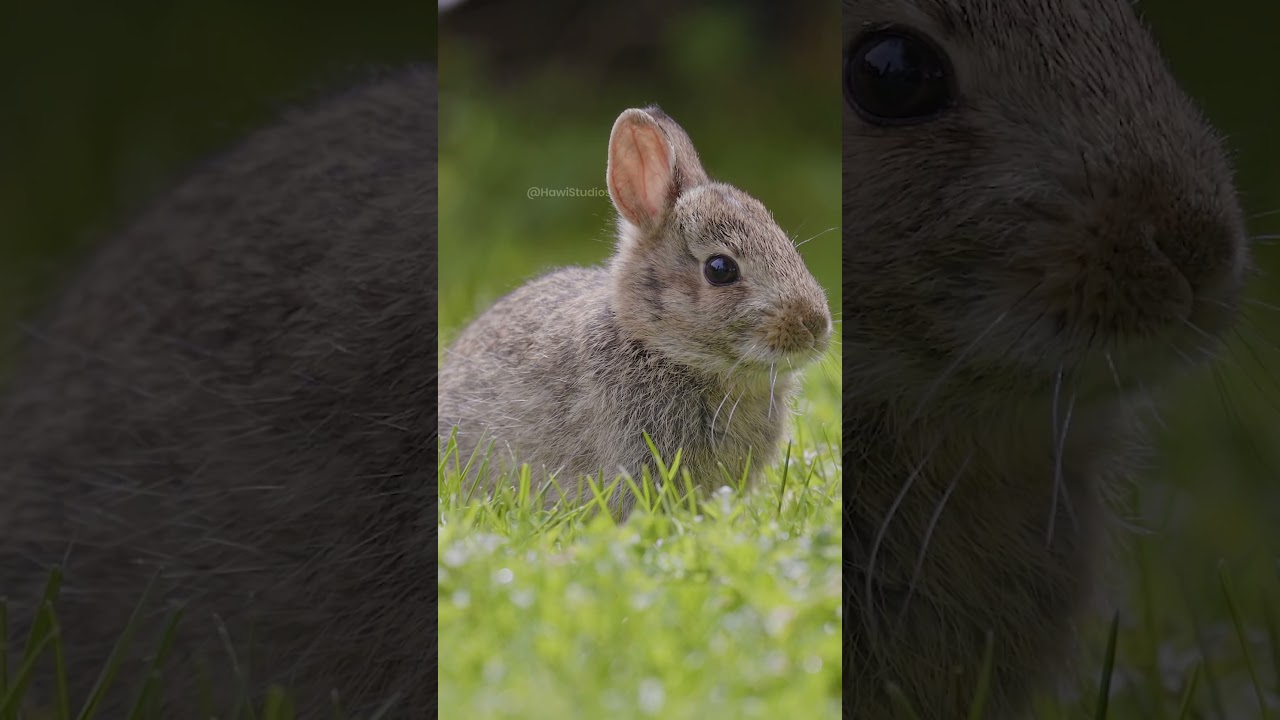
The Eastern Cottontail rabbit (Sylvilagus floridanus) is a small lagomorph that utilizes specialized sensory adaptations to thrive in grassland environments. These animals employ a freeze-and-scan behavioral strategy, characterized by stillness and rapid auditory processing, to detect and evade potential predators while foraging.
Key Field Takeaways
- Taxonomic Classification: Family Leporidae, Order Lagomorpha, Class Mammalia.
- Sensory Adaptation: Independent ear rotation allows for precise auditory localization of predators.
- Foraging Strategy: Obligate herbivore utilizing hypsodont teeth for efficient processing of fibrous vegetation.
- Ecological Niche: Primary consumer in grassland and edge habitats, serving as a critical prey species.
| Feature | Specification |
|---|---|
| Scientific Name | Sylvilagus floridanus |
| Conservation Status | Least Concern |
| Diet | Herbivorous (grasses, forbs, woody browse) |
| Habitat | Grasslands, meadows, forest edges |
| Key Adaptation | Hypsodont dentition and acute peripheral vision |
Biological analysis of juvenile lagomorph behavior
The Eastern Cottontail rabbit seen in the footage exhibits characteristic juvenile behavior, prioritizing camouflage and stillness. By remaining in a crouched position within the grass, the individual minimizes its visual profile. This behavioral stasis is essential for survival, as young rabbits are highly vulnerable to raptors and mammalian predators.
Sensory monitoring and alertness
The rabbit’s ears are its most critical sensory tools. The pinnae are large and highly vascularized, allowing for both thermoregulation and efficient sound collection. In the video, the animal exhibits rapid, subtle ear movements, which function to isolate specific frequencies in the environment. This auditory surveillance is paired with a wide field of view, as their eyes are positioned laterally on the skull to provide nearly panoramic vision.
Morphological adaptations for herbivory
The Eastern Cottontail rabbit is anatomically optimized for a diet consisting primarily of cellulose-rich plant material. Their digestive system relies on hindgut fermentation, where specialized bacteria in the cecum break down complex plant fibers. This process is highly efficient, allowing the rabbit to extract nutrients from low-quality forage.
Dental mechanics and foraging
To process tough grasses, the rabbit utilizes hypsodont teeth that grow continuously throughout its life. This structural adaptation prevents the teeth from wearing down prematurely due to the abrasive silica content found in many wild grasses. This efficient processing is similar to the equine grazing mechanics observed in larger herbivores.
Ecological dynamics and niche role
Sylvilagus floridanus occupies a vital role as a primary consumer in its ecosystem. By feeding on a variety of grasses and forbs, they influence plant community composition and structure. Their presence supports a diverse array of predators, making them a cornerstone of the trophic pyramid in their respective ranges.
Predation avoidance strategies
Beyond freezing, these rabbits rely on their explosive speed and zigzagging flight patterns when a threat is identified. Their powerful hind limbs are adapted for rapid acceleration, allowing them to reach speeds of up to 30 km/h in short bursts. This combination of stealth and agility ensures their persistence across diverse landscapes, from suburban gardens to dense woodlands.