
Direct answer summary
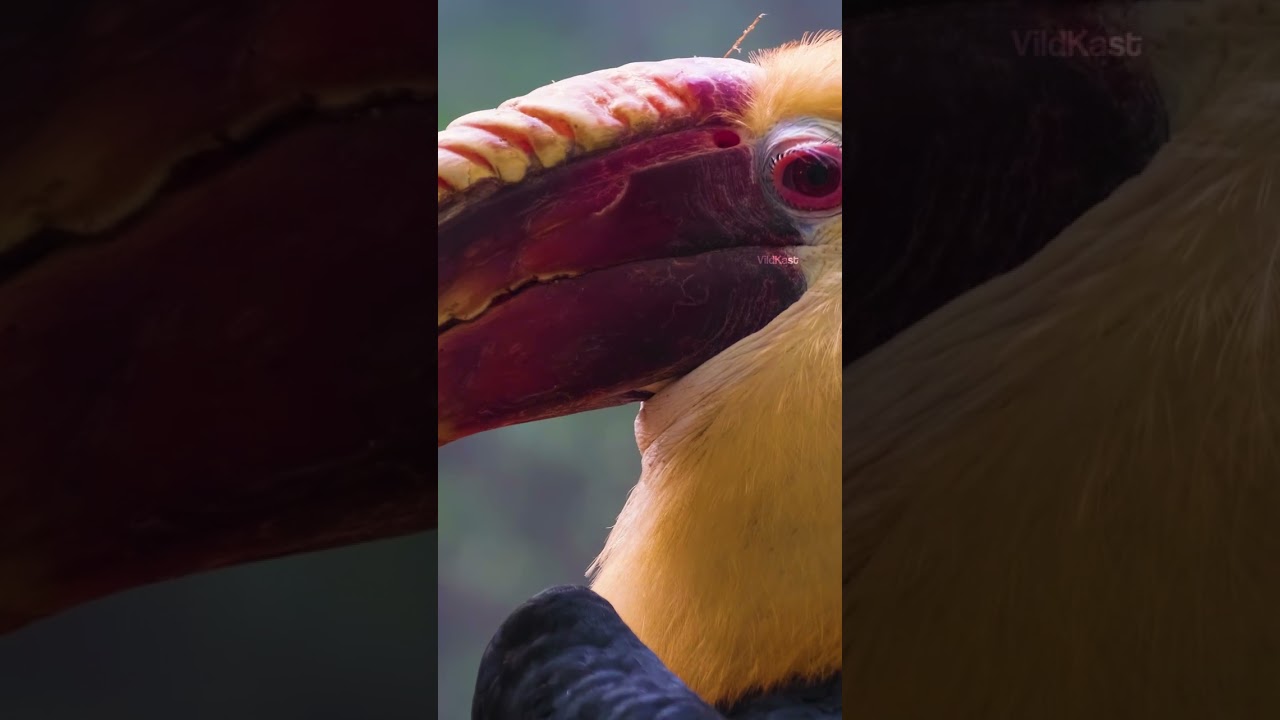
The wreathed hornbill (Rhyticeros undulatus) is a large, arboreal bird species characterized by its distinctively ridged yellow casque and deep red mandible. This anatomical structure functions as a specialized resonance chamber for vocalizations and a visual cue within the complex social hierarchies of tropical forest ecosystems.
Key Field Takeaways
- Taxonomic Classification: Family Bucerotidae, Genus Rhyticeros, Species Rhyticeros undulatus.
- Primary Behavioral Adaptation: Development of a large, hollow casque used to amplify vocalizations across extensive forest ranges.
- Ecological Niche: Primarily frugivorous, playing a critical role in seed dispersal across Southeast Asian rainforests.
- Conservation Status: Classified as Vulnerable by the IUCN due to habitat fragmentation and environmental degradation.
| Feature | Specification |
|---|---|
| Scientific Name | Rhyticeros undulatus |
| Common Name | Wreathed hornbill |
| Conservation Status | Vulnerable |
| Primary Diet | Frugivorous (fruits, figs) |
| Habitat | Tropical evergreen forests |
| Key Adaptation | Keratinous, ridged casque |
Physical morphology and anatomical structure
The function of the hornbill casque
The most striking feature observed in the footage is the large, yellow structure atop the bill, known as the casque. Unlike the solid bone found in many other avian species, the wreathed hornbill casque is a lightweight, honeycombed structure composed of keratin. This adaptation minimizes the weight load on the bird’s neck muscles while providing a robust surface for social signaling and acoustic resonance.
Bill mechanics and sensory interaction
The bill itself is a highly specialized tool for foraging in the canopy. The serrated edges of the mandibles allow the bird to grip slippery fruit surfaces with precision. This mechanical advantage is essential for survival in high-canopy environments where resources are often distributed on terminal branches. The skin around the eye and throat exhibits a distinct coloration that changes based on age and gender, serving as a vital visual marker for conspecific recognition.
Foraging strategies and ecological impact
Wreathed hornbills are essential seed dispersers within their native range. By consuming large volumes of fruit, they facilitate the regeneration of diverse tree species across vast geographical areas. Their ability to travel long distances between fruiting trees ensures the genetic dispersal of forest flora. Their foraging behavior is often compared to other avian seed dispersers, such as those discussed in common chaffinch foraging patterns, though hornbills focus on much larger fruit varieties.
Habitat dynamics and conservation
These birds require expansive, undisturbed primary forests to maintain viable breeding populations. The loss of nesting cavities in large, old-growth trees poses a direct threat to their reproductive success. Conservation efforts must prioritize the protection of these nesting sites to stabilize populations. Understanding their niche is as important as analyzing the tropical montane stream ecology that supports the broader health of these forest biomes.
Interspecies interactions
The presence of the wreathed hornbill in an ecosystem often indicates a healthy, functioning forest. They do not exist in isolation, and their foraging habits often overlap with other canopy-dwelling species. Their vocalizations, amplified by the casque, serve as an early warning system for other forest inhabitants, highlighting their role as a sentinel species within their habitat.