
Direct answer summary
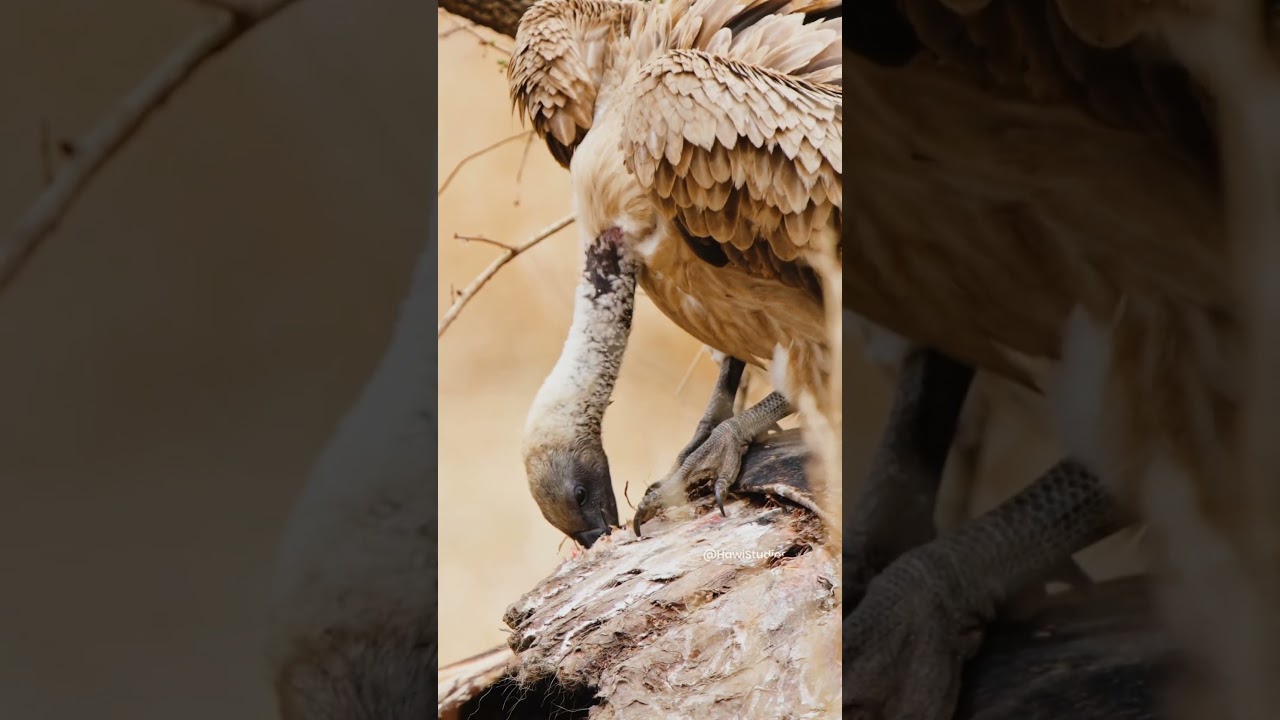
The hooded vulture (Necrosyrtes monachus) is a small, specialized scavenger that utilizes its slender, dexterous bill to extract soft tissues from carrion. This bird exhibits precise, methodical feeding movements while perched on substrates, often focusing on smaller food items that are inaccessible to larger, more robust vulture species.
Key Field Takeaways
- Taxonomic Classification: Family Accipitridae, Genus Necrosyrtes, Species monachus.
- Foraging Adaptation: Possesses a slender, elongated bill optimized for precision feeding on small tissue fragments.
- Ecological Niche: Primarily inhabits sub-Saharan Africa, often found in association with human settlements and open savanna landscapes.
- Conservation Status: Classified as Critically Endangered by the IUCN due to habitat loss and poisoning threats.
| Attribute | Specification |
|---|---|
| Scientific Name | Necrosyrtes monachus |
| Conservation Status | Critically Endangered |
| Primary Diet | Carrion, insects, refuse |
| Habitat | Savanna, forest edges, settlements |
| Key Adaptation | Bare head skin for hygiene |
Foraging mechanics and behavioral observation
In the provided footage, the hooded vulture displays high-precision foraging behavior. It is perched firmly on a weathered log, using its bill to grasp and manipulate small particles of organic matter. This action demonstrates the species’ ability to exploit niche food sources that require more dexterity than the brute-force tearing typical of larger Gyps species.
The bird keeps its wings partially folded and its body stable, maintaining a low center of gravity to maximize control during the feeding process. Its sensory focus remains entirely on the substrate, with rhythmic head movements that indicate the extraction of specific tissues. This behavior is typical of the species’ reliance on finding food in complex, cluttered environments where large carcasses may not be present.
Morphological adaptations for scavenging
The hooded vulture possesses distinct anatomical features that facilitate its lifestyle. The most prominent is the bare skin covering the head and upper neck, which ranges in color from pink to dark grey. This lack of plumage prevents the accumulation of pathogens and debris during feeding, as the bird frequently inserts its head into deep or confined areas of a carcass.
Compared to other raptors, the hooded vulture has a relatively light build, with a wingspan ranging from 1.5 to 1.8 meters. This physical structure allows for efficient soaring and energy conservation while searching for food across vast territories. Its bill, while smaller than that of other vultures, is exceptionally sharp and capable of precise shearing, a trait that serves it well when scavenging smaller vertebrate remains or even insects.
Ecological distribution and niche dynamics
The hooded vulture is widely distributed across sub-Saharan Africa. It is frequently seen in proximity to human activity, including villages and urban centers, where it scavenges for refuse. This adaptability allows it to maintain a presence in areas where natural carcass availability may be limited.
In the broader ecosystem, the hooded vulture plays a critical role in disease suppression by rapidly consuming organic waste. Its presence is often a indicator of environmental health. For those interested in avian foraging, similar specialized feeding strategies can be observed in the wreathed hornbill biology, which also utilizes specific bill morphology to access varied food resources.
Conservation and habitat threats
As a Critically Endangered species, the hooded vulture faces significant pressures. Habitat degradation and the unintended ingestion of poisons used for predator control are primary threats. The species’ tendency to forage near human settlements increases its exposure to these environmental hazards.
Effective conservation requires monitoring population trends and protecting key nesting sites. Understanding the bird’s reliance on specific foraging substrates, as seen in the footage, provides insight into the types of environments that must be preserved to support its recovery. The study of raptor ecology is essential for broader conservation efforts, much like the detailed analysis found in bald eagle vocalization and territorial behavior analysis. Understanding these behaviors allows researchers to better mitigate human-wildlife conflicts.