
Direct answer summary
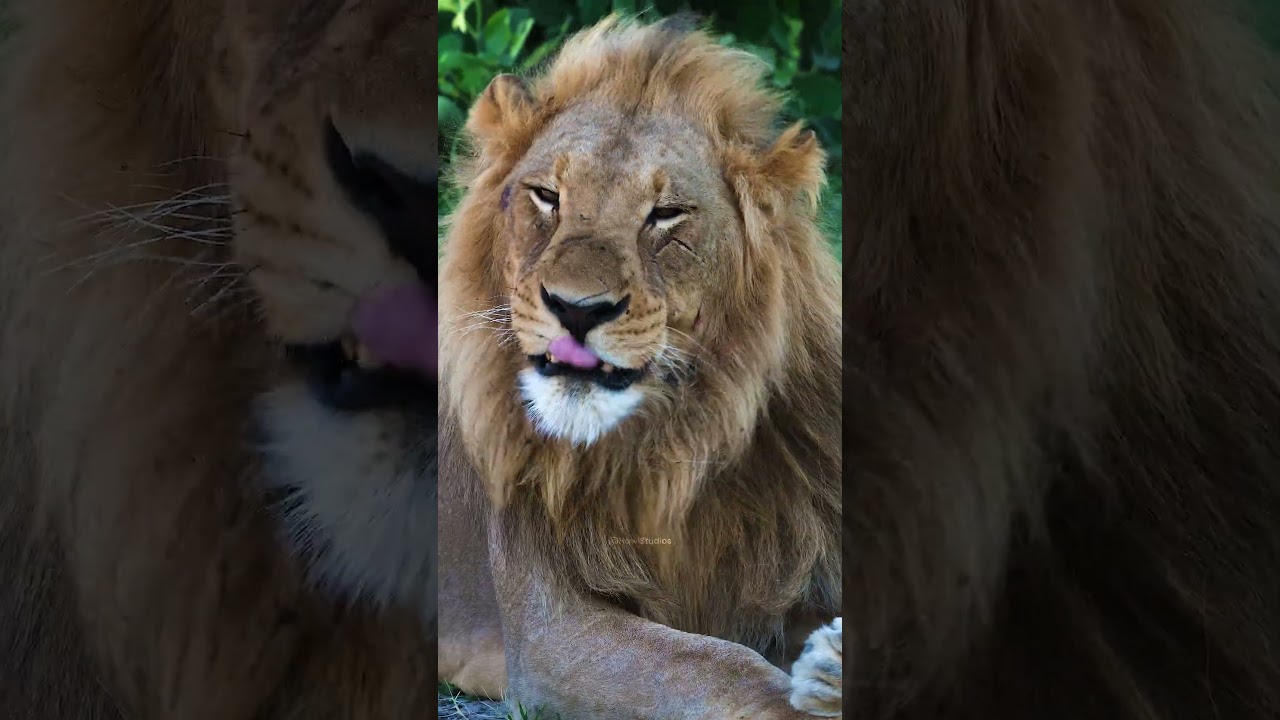
African lions (Panthera leo) engage in grooming to maintain integumentary health and manage social cohesion within their pride. This behavior relies on specialized lingual morphology, specifically the use of keratinized filiform papillae, to effectively clear debris and parasites from their fur.
Key Field Takeaways
- Taxonomic Classification: Family Felidae, Genus Panthera, Species Panthera leo.
- Primary Behavioral Adaptation: Utilization of keratinized filiform papillae on the tongue to act as a mechanical comb.
- Ecological Niche & Range: Apex predator occupying savanna and grassland ecosystems across sub-Saharan Africa.
- Conservation & Field Status: Classified as Vulnerable by the IUCN, facing habitat fragmentation and human-wildlife conflict.
| Feature | Specification |
|---|---|
| Scientific Name | Panthera leo |
| Common Name | African lion |
| Conservation Status | Vulnerable |
| Primary Diet | Obligate carnivore (ungulates) |
| Habitat | Savanna, grassland, scrub |
| Key Adaptation | Keratinized lingual papillae |
Biological mechanics of lion grooming
Grooming in Panthera leo represents a complex interaction between morphological specialization and behavioral necessity. The footage demonstrates the lion utilizing its forelimb as a target for its tongue, a common self-grooming posture. This action is not merely cosmetic, it is a calculated effort to maintain the integrity of the coat, which is essential for thermoregulation and parasite control.
Lingual morphology and function
The efficacy of this behavior is dictated by the anatomy of the tongue. The dorsal surface of the tongue is covered in hundreds of filiform papillae. These structures are rigid, backward-facing barbs made of keratin, the same protein found in hair and claws. When the lion passes its tongue over its fur, these barbs function as a mechanical comb, stripping away particulate matter and loose hair with high efficiency.
Social and evolutionary dimensions
While the video displays self-grooming, lions also perform allogrooming, where individuals groom one another. This behavior is a cornerstone of pride dynamics, often observed during periods of rest. Much like the social mechanics of spotted hyenas, these interactions are vital for group stability and conflict resolution.
Vigilance during grooming
Despite the repetitive nature of grooming, lions maintain a high level of sensory awareness. Even while focused on the task, the animal monitors its environment, keeping its ears and whiskers alert to auditory or olfactory cues. This balance between maintenance behavior and environmental vigilance is common in many species, including the vigilance mechanics of mule deer in various habitats.
Ecological context and conservation
The African lion is a keystone predator, regulating the populations of large herbivores within its range. Their survival is intrinsically linked to the health of the savanna ecosystem. Habitat loss and the decline of prey species remain significant threats to their long-term viability. Understanding the daily behaviors of these animals, such as grooming and social rest, provides researchers with essential data regarding their physiological state and overall well-being in an increasingly fragmented landscape.