
Direct answer summary
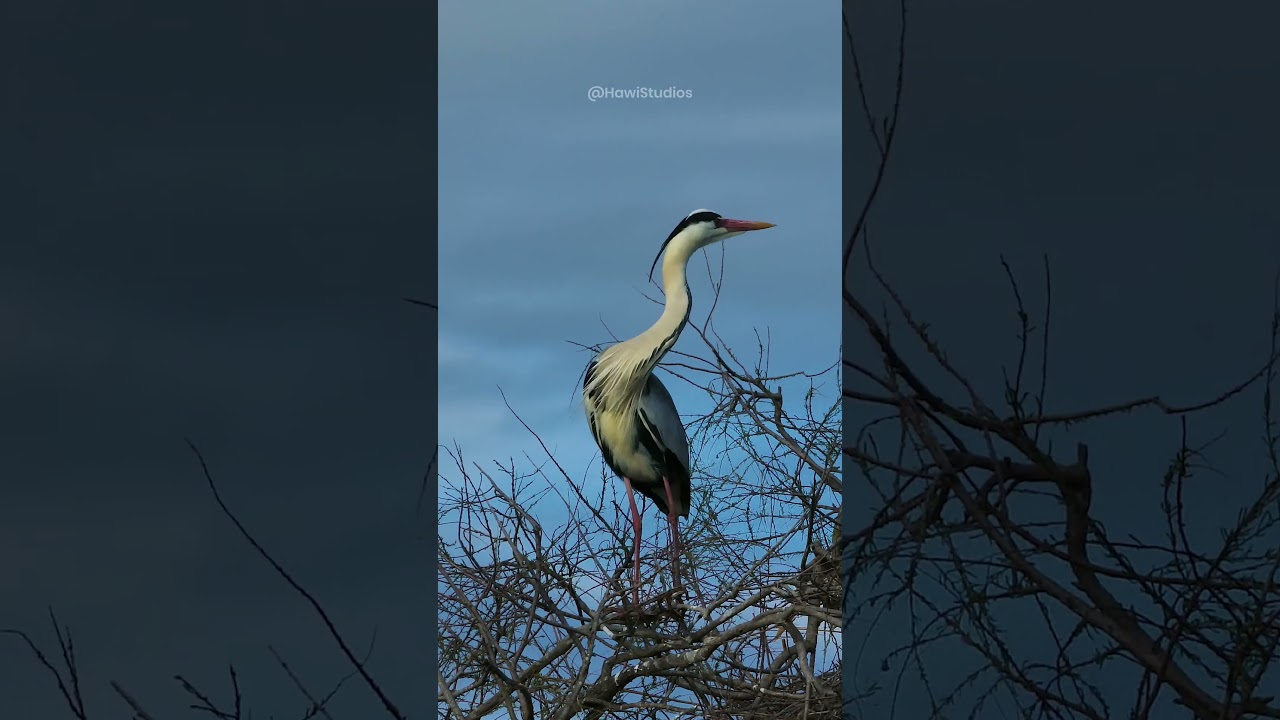
The Grey Heron (Ardea cinerea) is a large, predatory wading bird known for its patient hunting strategy and distinct S-shaped neck posture. This species utilizes its specialized cervical anatomy to perform rapid, high-velocity strikes, allowing it to capture diverse aquatic prey in shallow water environments.
Key Field Takeaways
- Taxonomic Classification: Family Ardeidae, Genus Ardea, Species Ardea cinerea.
- Primary Behavioral Adaptation: Rapid neck extension via specialized cervical vertebrae for high-speed prey capture.
- Ecological Niche: Apex predator in shallow wetlands, marshes, and riverbanks with a diet of fish, amphibians, and small vertebrates.
- Conservation Status: IUCN Least Concern, with stable populations across its extensive Palearctic and African range.
| Feature | Specification |
|---|---|
| Scientific Name | Ardea cinerea |
| Common Name | Grey Heron |
| IUCN Status | Least Concern |
| Diet | Piscivorous, opportunistic predator |
| Habitat | Wetlands, marshes, lakes, coastal estuaries |
| Key Adaptation | S-shaped cervical structure for rapid strikes |
Grey Heron physical observations and morphology
The Grey Heron exhibits a highly specialized anatomy optimized for life in aquatic and semi-aquatic environments. Its most prominent feature, the elongated S-shaped neck, is supported by a complex arrangement of cervical vertebrae. This structure allows the bird to maintain a compact, energy-efficient profile while resting, yet provides the necessary leverage for a lightning-fast strike when prey is detected.
The bird’s bill is a formidable piece of biological equipment. Measuring approximately 10 to 13 centimeters in length, the dagger-like, yellow-orange beak is perfectly adapted for piercing and gripping slippery prey. The eyes, positioned laterally, provide a wide field of vision, which is essential for detecting both potential prey and predators within the surrounding landscape.
Foraging strategy and behavioral mechanics
In the field, the Grey Heron is a master of patient stalking. Unlike active hunters, this species often stands completely motionless in shallow water, waiting for fish or amphibians to pass within its strike zone. This behavior, known as sit-and-wait predation, requires significant muscular control to maintain balance and stability for long durations.
When a target is identified, the heron undergoes a rapid transformation. The neck muscles contract, and the head is thrust forward at high velocity. This strike is often completed in under 0.2 seconds. This level of precision is similar to the hunting mechanics observed in other specialized predators, such as the Oriental Garden Lizard, which also relies on rapid, calculated movements to secure food.
Habitat dynamics and environmental interaction
The Grey Heron occupies a broad range of habitats, including freshwater marshes, rivers, lakes, and coastal estuaries. It is a highly adaptable species that thrives in environments where shallow water provides access to diverse food sources. Its long, thin legs are equipped with widely spaced toes, which help distribute its weight on soft, muddy substrates.
While the Grey Heron is often associated with water, it frequently utilizes elevated perches such as trees or rocky outcrops to rest and monitor its territory. This behavior allows the bird to maintain a clear line of sight over its hunting grounds. This strategic vigilance is a common trait among many avian species, including the bald eagle, which also relies on high vantage points for territorial defense and prey detection.
Interspecies relationships and ecosystem role
As a mid-to-top level predator, the Grey Heron plays a role in regulating populations of fish and amphibians in its ecosystem. By controlling the numbers of these smaller vertebrates, it influences the overall structure of the food web within its wetland habitat. The presence of the heron is often an indicator of a healthy, functioning aquatic system.
The heron must also navigate interactions with other species that share its environment. It often coexists with other wading birds, though it will defend its immediate foraging territory from competitors. Its survival depends on its ability to detect and avoid larger terrestrial predators, a challenge faced by many animals in the wild, such as those documented in studies of black-backed jackal drinking behavior.