
Direct answer summary
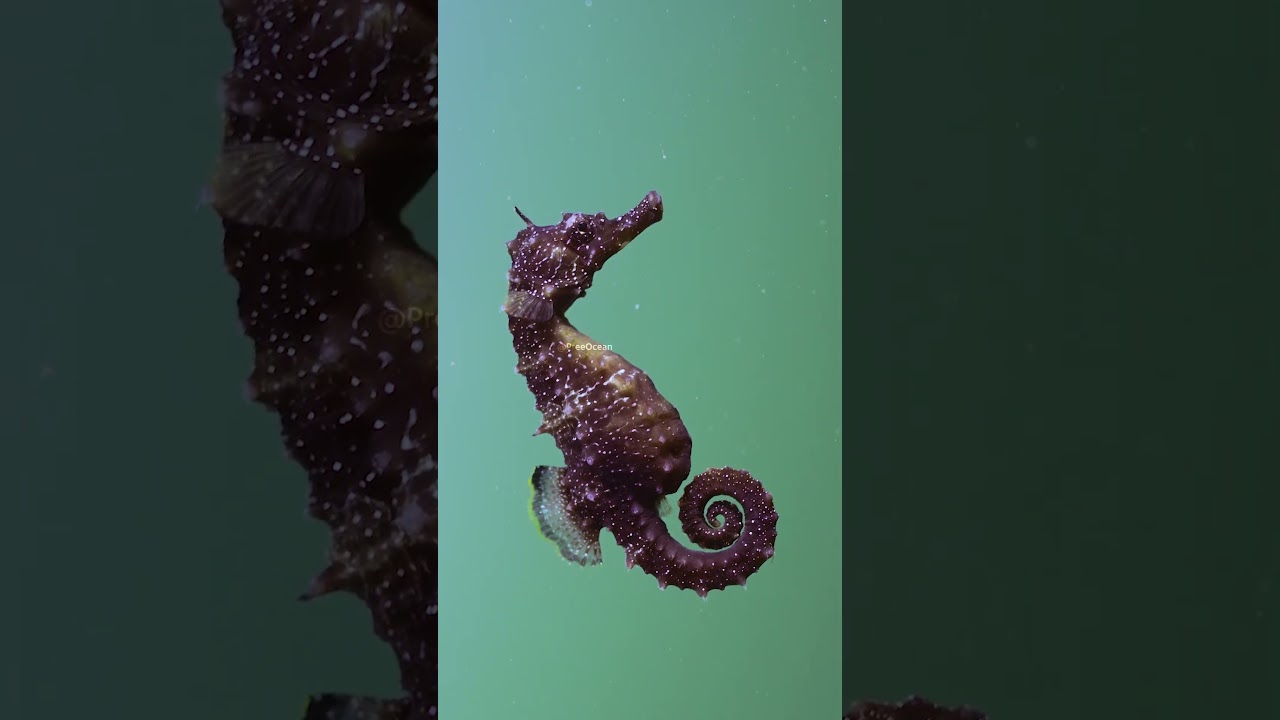
Seahorses (Hippocampus species) are highly specialized teleost fish that utilize rapid oscillations of a small dorsal fin for propulsion. This unique swimming mechanism allows for precise, vertical maneuvering rather than high-speed cruising, reflecting their evolutionary shift toward sedentary, ambush-predatory lifestyles in complex benthic habitats.
Key Field Takeaways
- Taxonomic Classification: Family Syngnathidae, Order Syngnathiformes, Class Actinopterygii.
- Propulsion Mechanism: Dorsal fin oscillation reaching 30 to 35 beats per second for stabilization and slow movement.
- Morphological Adaptation: Prehensile tail structure designed for anchoring to substrate, reducing energy expenditure in currents.
- Conservation Status: Many species are listed under CITES Appendix II due to habitat loss and trade pressures.
| Feature | Specification |
|---|---|
| Binomial Nomenclature | Hippocampus sp. |
| Common Name | Seahorse |
| IUCN Status | Vulnerable to Data Deficient |
| Primary Diet | Small crustaceans and zooplankton |
| Habitat | Seagrass beds, coral reefs, mangroves |
| Key Adaptation | Prehensile tail and camouflage |
Seahorse swimming mechanics and locomotion
The locomotion of the seahorse deviates significantly from the typical fusiform body plan of most teleost fish. By orienting their body vertically, these fish adopt a posture that minimizes their profile while navigating dense seagrass or coral environments. Propulsion is generated almost exclusively by the rapid, wave-like motion of the dorsal fin.
Fin dynamics and stabilization
The dorsal fin acts as the primary engine, oscillating at frequencies between 30 and 35 beats per second. This high-frequency movement provides enough thrust to maintain neutral buoyancy and perform slow, controlled vertical movements. To manage steering and pitch, the seahorse employs small pectoral fins located behind the operculum, which act as rudders during orientation shifts.
Morphological and anatomical adaptations
The body of a seahorse is encased in a series of bony plates rather than scales. These plates are arranged in rings, providing structural integrity while maintaining a degree of flexibility. This skeletal architecture is essential for protecting the internal organs while allowing the animal to curl its body into a compact, defensive, or anchored shape.
Prehensile tail functionality
The defining feature of the seahorse is its prehensile tail, which lacks a caudal fin. This appendage is muscular and capable of gripping onto holdfasts, such as seaweed or coral branches. When anchored, the animal conserves energy that would otherwise be spent swimming against water currents, a strategy similar to the energy-saving behaviors observed in other benthic organisms like those described in zebra squid burrowing behavior and benthic adaptations.
Ecological niche and habitat dynamics
Seahorses occupy specific ecological niches that require high levels of camouflage. Their ability to change color and texture allows them to blend seamlessly into their surroundings, which is vital for avoiding predation. They are ambush predators, using a specialized snout to create suction and capture small crustaceans like copepods and amphipods.
Interspecies interactions and threats
As slow-moving inhabitants of coastal zones, seahorses are highly dependent on the health of their immediate environment. Habitat degradation, including the destruction of seagrass beds and coral reefs, presents a direct threat to their survival. Their reliance on specific substrates makes them sensitive to changes in water quality and anthropogenic disturbances, much like the environmental pressures impacting other specialized species such as the red lionfish.