
Direct answer summary
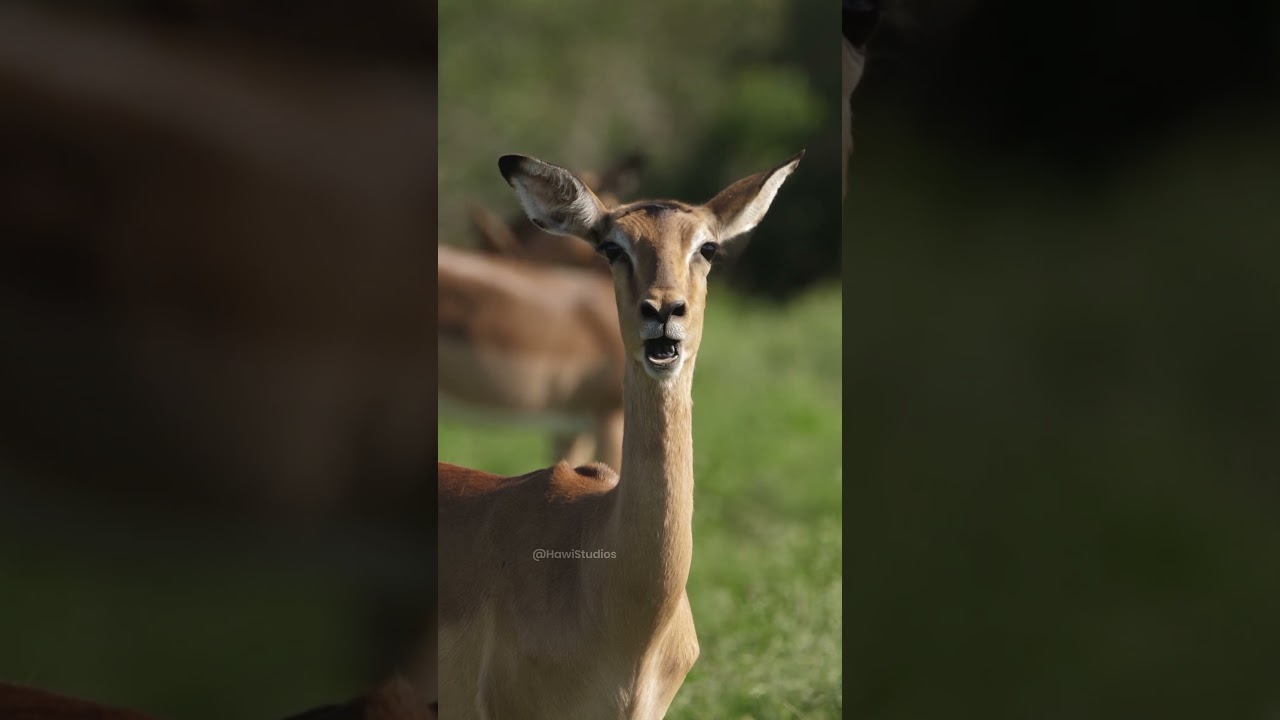
The impala (Aepyceros melampus) exhibits rhythmic, lateral jaw movements during feeding to facilitate the mechanical breakdown of fibrous plant material. This chewing behavior is a fundamental aspect of its ruminant digestive system, enabling the efficient extraction of nutrients from diverse savanna vegetation.
Key Field Takeaways
- Taxonomic Classification: Family Bovidae, Genus Aepyceros, Species Aepyceros melampus.
- Primary Behavioral Adaptation: Ruminant digestion involving repeated regurgitation and lateral mastication of forage.
- Ecological Niche & Range: Inhabits savanna and light woodland ecosystems across Eastern and Southern Africa.
- Conservation & Field Status: Listed as Least Concern by the IUCN, with robust population densities in protected areas.
| Feature | Specification |
|---|---|
| Scientific Name | Aepyceros melampus |
| Common Name | Impala |
| Conservation Status | Least Concern |
| Diet | Mixed feeder (grazing and browsing) |
| Habitat | Savanna and woodland |
| Key Adaptation | Highly efficient ruminant stomach |
Feeding mechanics and ruminant biology
The impala is a medium-sized antelope that relies on a complex digestive process to process its varied diet. The side-to-side chewing observed in the footage is the hallmark of rumination, where previously swallowed vegetation is returned to the mouth for further mechanical processing.
The role of molar grinding
By moving the jaw laterally, the impala grinds plant cell walls, which are composed of cellulose and lignin. This physical breakdown is critical because it exposes the inner contents of the plant cells to the microbial population within the rumen. Without this initial mastication, the energy-dense nutrients would remain locked within the indigestible plant structure.
Sensory vigilance and environmental awareness
While the impala is focused on processing food, it remains highly alert to its surroundings. The ears of the impala are large and capable of independent rotation, allowing the animal to triangulate the source of potential threats without needing to move its entire head. This behavioral trait is similar to the heightened awareness observed in other savanna species, such as the black-backed jackal, which must balance hydration or feeding with the constant threat of predation.
Morphological adaptations for survival
The physical structure of the impala head supports both its feeding and survival needs. The placement of the eyes on the sides of the skull provides a wide field of view, essential for detecting movement from multiple angles while the head is lowered during grazing. This combination of sensory input and digestive efficiency allows the impala to thrive in competitive environments where resources fluctuate seasonally.
Ecological significance and niche dynamics
As a mixed feeder, the impala occupies a unique niche that bridges the gap between specialized grazers and browsers. This flexibility reduces direct competition with other herbivores, as the impala can adapt its foraging strategy based on the availability of green grass versus woody shrubs. Their role in the ecosystem is substantial, as they serve as a primary prey source for various large carnivores, influencing predator population dynamics through their own abundance and distribution.