
Direct answer summary
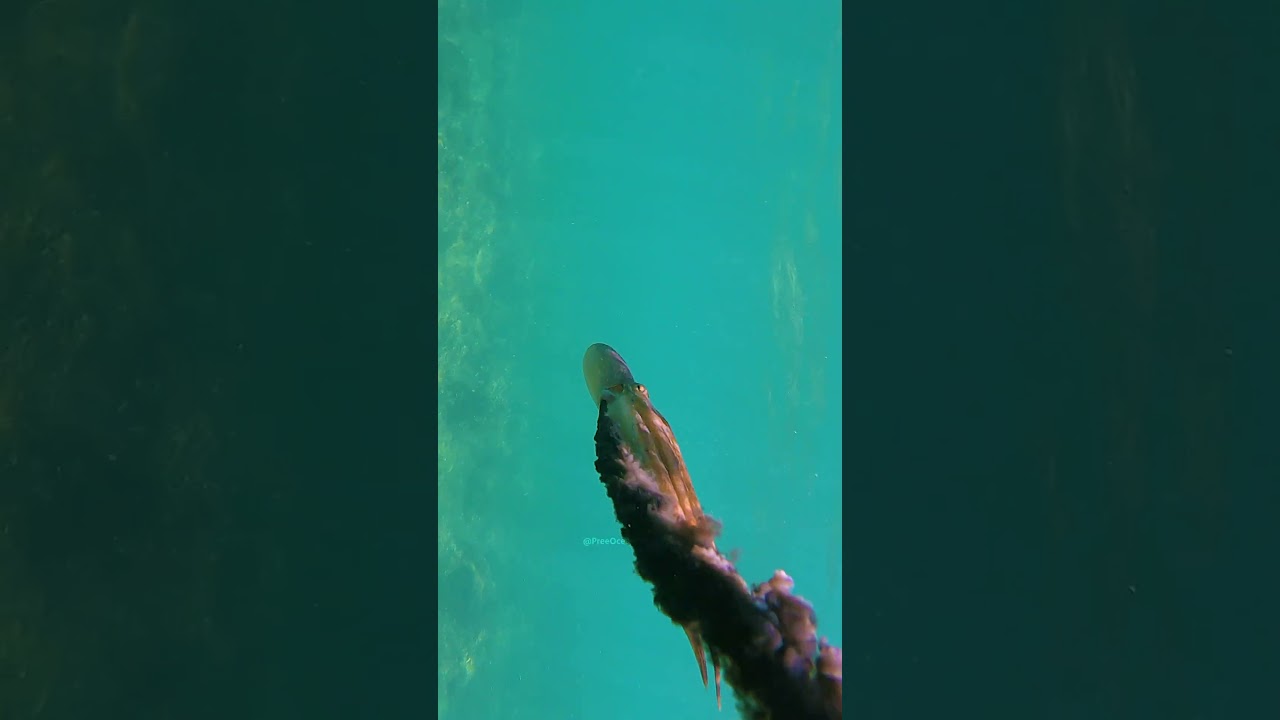
Common octopus (Octopus vulgaris) utilizes an octopus ink defense to evade predation by releasing a concentrated cloud of melanin-rich fluid through its siphon. This biological mechanism acts as a decoy screen, simultaneously impairing the visual and olfactory senses of potential predators.
Key Field Takeaways
- Taxonomic Classification: Family Octopodidae, Genus Octopus, Species Octopus vulgaris.
- Primary Behavioral Adaptation: Rapid expulsion of ink via the siphon, often combined with jet propulsion for immediate escape.
- Chemical Composition: Primarily composed of melanin, mucus, and tyrosinase, which irritates predator sensory organs.
- Ecological Niche: Benthic and pelagic environments, utilizing stealth and chemical camouflage to survive in diverse marine zones.
| Feature | Specification |
|---|---|
| Scientific Name | Octopus vulgaris |
| Conservation Status | Least Concern |
| Primary Diet | Crustaceans, mollusks, small fish |
| Habitat | Global temperate and tropical oceans |
| Key Adaptation | Ink sac and chromatophores |
Biological mechanics of ink production
The octopus ink defense is a highly specialized biological response managed by the ink sac, a gland located near the digestive system. When the animal perceives a threat, it contracts the muscles surrounding the sac, forcing the ink through the siphon alongside a stream of water.
This ejection is not merely a visual distraction. The ink contains high concentrations of melanin, which absorbs light to create a dark, opaque barrier in the water. Furthermore, the inclusion of tyrosinase is a chemical deterrent that can temporarily disrupt the chemosensory capabilities of predators like sharks or eels.
Predator evasion and jet propulsion
In the observed footage, the octopus couples the release of ink with rapid jet propulsion. By forcefully expelling water from its mantle cavity through the siphon, the animal achieves high-speed movement away from the point of danger.
This combination of a visual decoy and physical withdrawal is a hallmark of cephalopod survival. While the predator investigates the dense, lingering ink cloud, the octopus uses its ability to change skin texture and color to blend into the surrounding substrate, effectively disappearing from the predator’s field of view.
Ecological significance of cephalopod defenses
The survival strategies of the common octopus are essential to its role as both predator and prey in the marine food web. Unlike the black frogfish biology that relies on camouflage, the octopus employs active, multi-modal defense systems.
These defenses allow the octopus to inhabit high-risk environments, including shallow reefs and open coastal waters. By maintaining a suite of sophisticated escape behaviors, the species manages to thrive despite constant pressure from various marine carnivores.