
Direct answer summary
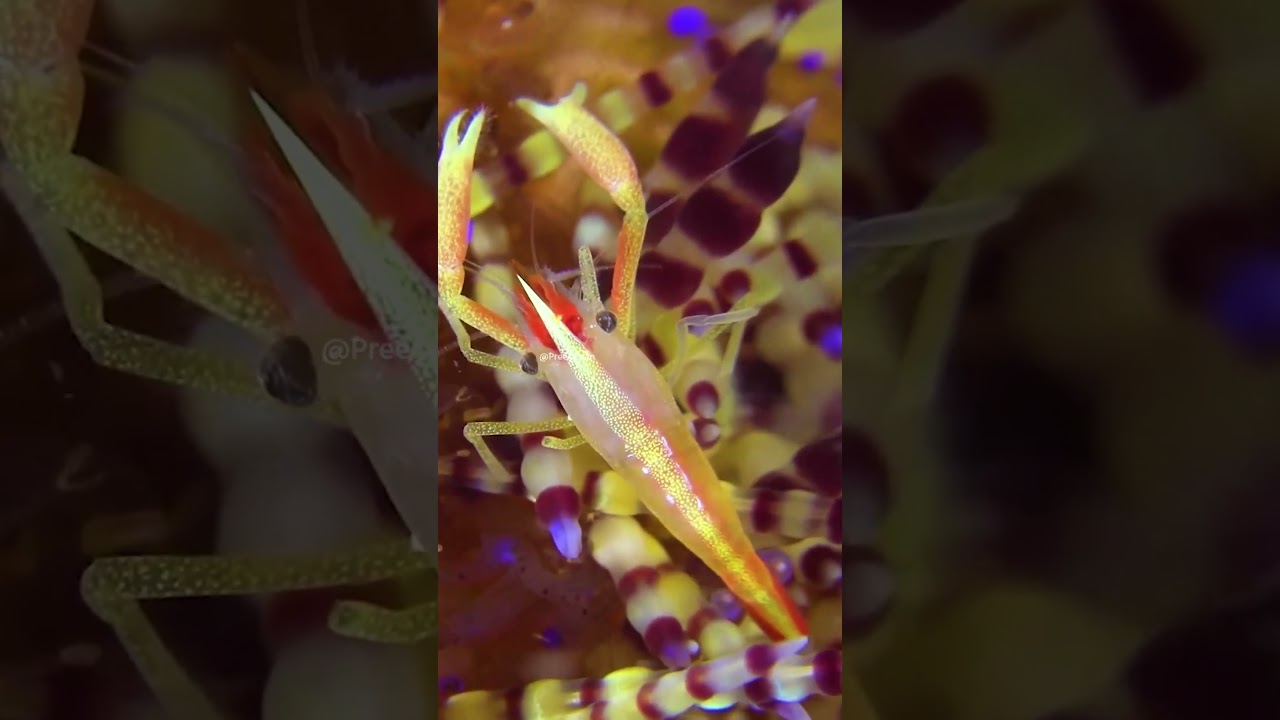
The Coleman shrimp (Periclimenes colemani) is a small, specialized marine crustacean that lives in a symbiotic association with the fire urchin (Asthenosoma varium). This shrimp relies on the urchin’s venomous spines for protection, typically inhabiting a specific, cleared region of the host’s test.
Key Field Takeaways
- Taxonomic Classification: Family Palaemonidae, Genus Periclimenes, Species P. Colemani.
- Primary Behavioral Adaptation: Obligate host-specificity, utilizing the venomous spines of Asthenosoma varium as a defensive shield against predators.
- Ecological Niche: Benthic reef environments at depths ranging from 5 to 30 meters.
- Morphological Traits: Translucent exoskeleton with distinct white and red longitudinal bands, adapted for camouflage against the urchin’s complex spine structure.
| Attribute | Specification |
|---|---|
| Scientific Name | Periclimenes colemani |
| Common Name | Coleman shrimp |
| Conservation Status | Not evaluated |
| Diet | Detritus and host mucus |
| Habitat | Tropical coral reefs |
| Key Adaptation | Symbiotic host-dependence |
Physical observations and behavioral mechanics
The Coleman shrimp exhibits remarkable precision in its movement. Frame-by-frame analysis shows the crustacean maintaining a firm grip on the urchin spines using its pereopods. It moves with a deliberate, rhythmic gait, ensuring its body remains within the safe zones provided by the host’s anatomy.
The shrimp’s sensory structures, particularly its long antennae, are constantly active. These organs allow the animal to detect vibrations and chemical signals in the surrounding water column. This constant monitoring is vital for maintaining its position on the host while avoiding the urchin’s venomous pedicellariae.
Morphological and anatomical adaptations
The morphology of Periclimenes colemani is highly specialized for life on a host. Its body is significantly compressed laterally, which allows it to maneuver through the dense, needle-like spines of the fire urchin. The coloration, featuring white and red bands, acts as disruptive camouflage, breaking up the shrimp’s outline against the host’s complex surface.
The chelae, or claws, of the Coleman shrimp are relatively small and delicate. These appendages are not used for aggressive defense but rather for precise foraging and maintaining contact with the urchin. The transparency of the exoskeleton is a classic adaptation for small reef-dwelling crustaceans, reducing visibility to potential visual predators.
Habitat range and benthic ecology
The Coleman shrimp is primarily found in the Indo-West Pacific region. It occupies benthic zones on coral reefs where its host, Asthenosoma varium, is prevalent. This urchin is known for its brightly colored, venomous spines, which create a high-risk environment for most reef fish, thereby providing the shrimp with a secure refuge.
Understanding the Chromodoris willani biology highlights how many small reef invertebrates utilize specialized camouflage or chemical defenses for survival. Similarly, the Coleman shrimp’s reliance on the fire urchin exemplifies the detailed, specialized relationships found within coral reef ecosystems.
Interspecies relationships and evolutionary significance
The relationship between the Coleman shrimp and its host is a prime example of obligate commensalism. The shrimp benefits significantly from the protection afforded by the fire urchin, while the urchin receives little to no benefit, nor does it suffer significant harm. This evolutionary strategy allows the shrimp to occupy a niche that is otherwise inaccessible due to high predation pressure.
Such symbiotic bonds are essential for maintaining biodiversity in reef systems. By occupying this niche, the Coleman shrimp avoids competition with other crustacean species that might otherwise compete for food or space. This specialization reflects the broader evolutionary trends where species evolve to exploit unique, protected environmental zones.