
Direct answer summary
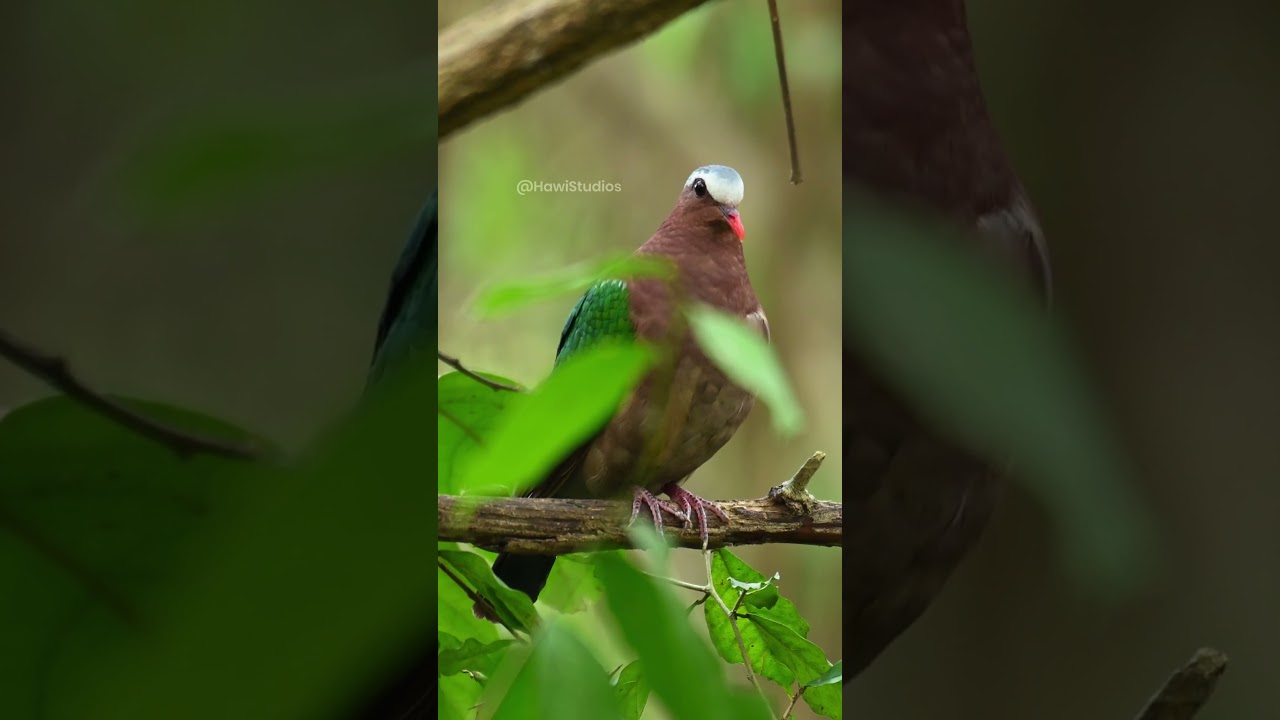
The Emerald Dove (Chalcophaps indica) is a medium-sized pigeon species within the family Columbidae, characterized by its distinctive metallic green wing coverts and white forehead. This bird primarily occupies tropical forest understories, utilizing its rapid flight agility to navigate dense vegetation while foraging for seeds and fruits on the forest floor.
Key Field Takeaways
- Taxonomic Classification: Family Columbidae, Genus Chalcophaps, Species Chalcophaps indica.
- Primary Behavioral Adaptation: Rapid, low-level flight maneuverability through dense forest undergrowth.
- Ecological Niche: Ground-dwelling frugivore and granivore occupying tropical and subtropical forest ecosystems.
- Conservation & Field Status: Classified as Least Concern by the IUCN, though local populations remain vulnerable to habitat fragmentation.
| Feature | Specification |
|---|---|
| Scientific Name | Chalcophaps indica |
| Common Name | Emerald Dove |
| IUCN Status | Least Concern |
| Primary Diet | Seeds, fruits, berries |
| Habitat | Tropical and subtropical rainforests |
| Key Adaptation | Iridescent structural plumage |
Physical observation and behavioral mechanics
The Chalcophaps indica observed in the footage displays a stationary perching posture, a standard state of rest for this species between foraging bouts. The bird exhibits a high degree of alertness, with rapid eye movements and controlled head tilts used to process visual information from the surrounding forest canopy. Its morphology is optimized for life in dense cover, featuring a compact body shape that reduces drag when moving through thick vegetation.
Morphological adaptations
The most striking feature of the Emerald Dove is its iridescent green wing coverts, which exhibit structural coloration that changes appearance based on the angle of light. This adaptation is a form of disruptive camouflage against the complex backdrop of the forest floor. The white patch on the forehead is a diagnostic marker used in intra-species signaling, likely assisting in mate recognition within the dim light of the rainforest.
Habitat and foraging ecology
The Emerald Dove is predominantly a ground-dwelling bird, spending the majority of its active hours searching for food in the leaf litter. Unlike many other pigeons that frequent high canopy levels, Chalcophaps indica relies on the availability of fallen seeds and small fruits. This foraging strategy requires the bird to remain vigilant, as ground-level foraging exposes it to a variety of terrestrial predators, much like the sentinel behaviors observed in European Ground Squirrel vigilance studies.
Interspecies relationships
Within its ecosystem, the Emerald Dove plays a significant role in seed dispersal, contributing to the recruitment of various plant species. While it is generally shy and elusive, its presence is a key indicator of forest health. The species relies on the structural complexity of the understory, and its survival is closely linked to the maintenance of intact forest corridors, similar to the habitat requirements observed in other woodland species such as the Himalayan flameback woodpecker.
Conservation and ecological status
While the Emerald Dove is currently classified as Least Concern, it faces ongoing threats from habitat loss and the degradation of tropical rainforests. The reliance on specific seed-bearing plants makes it sensitive to shifts in plant community composition. Effective conservation relies on protecting the integrity of the forest floor, ensuring that the bird has access to necessary food resources and nesting sites. Understanding these specific biological needs is essential for maintaining biodiversity, similar to the research focus required for European serin nestling feeding and other avian life-cycle studies.