
Direct answer summary
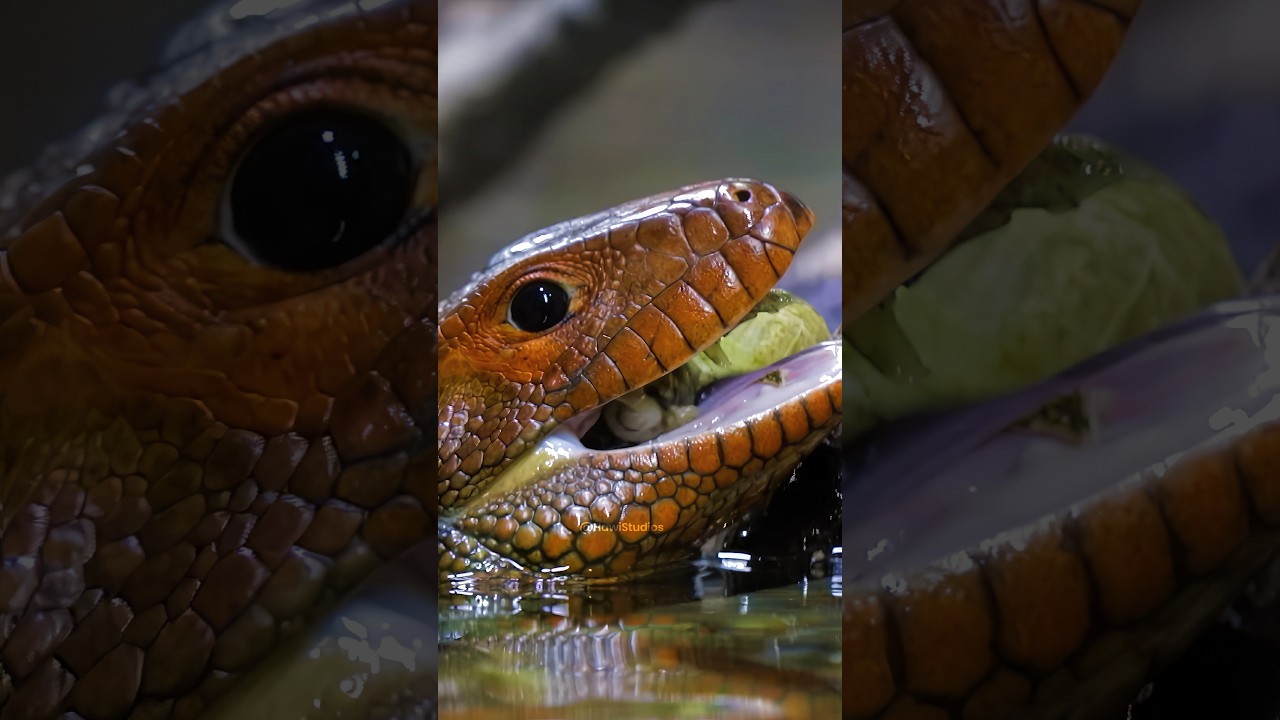
The Caiman lizard (Dracaena guianensis) is a highly specialized semi-aquatic reptile that functions as an obligate molluscivore. It utilizes massive, reinforced jaw muscles and flat, molar-like teeth to generate the extreme bite force required to crush the hard calcium carbonate shells of aquatic snails.
Key Field Takeaways
- Taxonomic Classification: Family Teiidae, Genus Dracaena, Species Dracaena guianensis.
- Primary Behavioral Adaptation: Specialized crushing of mollusk shells using molariform teeth and hypertrophied jaw muscles.
- Ecological Niche: Semi-aquatic predator of riparian zones, occupying a niche similar to the arrow crab biology in terms of specialized crustacean or mollusk consumption.
- Conservation Status: Listed as Least Concern, though populations are sensitive to habitat degradation and water pollution.
| Feature | Specification |
|---|---|
| Scientific Name | Dracaena guianensis |
| Common Name | Caiman lizard |
| IUCN Status | Least Concern |
| Primary Diet | Aquatic snails and mollusks |
| Habitat | Riparian zones, swamps, flooded forests |
| Key Adaptation | Molariform teeth for crushing shells |
Foraging mechanics and molluscivory
The Caiman lizard exhibits a unique feeding strategy among lizards, focusing almost exclusively on aquatic snails. When foraging, the lizard uses its keen eyesight to locate snails on aquatic vegetation or submerged logs. Once a prey item is captured, the lizard positions the snail within its jaws to maximize the mechanical advantage of its specialized dentition.
The feeding process involves rhythmic, powerful contractions of the jaw muscles. These muscles are significantly larger than those found in related teiid species, providing the necessary pressure to fracture shells. The lizard often tilts its head to manipulate the prey, ensuring the shell is properly oriented before applying the crushing force that exposes the soft tissue inside.
Morphological and anatomical adaptations
The morphology of the Caiman lizard is perfectly adapted for its semi-aquatic lifestyle and molluscivorous diet. Its head is broad and robust, housing the massive muscles required for crushing. The skin is covered in thick, osteoderm-reinforced scales, which provide protection while the animal traverses dense aquatic vegetation.
The teeth of the Caiman lizard are distinct from those of insectivorous or carnivorous lizards. Rather than being sharp and pointed, the teeth are rounded and flat, resembling molars. This dental morphology is an evolutionary response to the need to withstand the high-impact stress of crushing hard shells without fracturing the teeth themselves.
Habitat and aquatic ecology
Caiman lizards are found throughout the Amazon basin and northern South America. They are strictly associated with water, preferring slow-moving rivers, lagoons, and swamps. Their ability to swim effectively allows them to navigate these environments with ease, and they are often found basking on branches overhanging the water.
The reliance on these aquatic zones makes the Caiman lizard an indicator species for wetland health. Similar to the marsh frog vocalization patterns which indicate environmental quality, the presence of these lizards suggests a robust population of aquatic invertebrates. They play a specific role in their ecosystem by controlling snail populations, which can otherwise reach densities that impact local vegetation.
Conservation and ecosystem dynamics
While the Caiman lizard is not currently threatened with extinction, its specialized diet makes it vulnerable to changes in water quality. Pollutants and habitat loss that impact snail populations directly affect the food availability for this species. Conservation efforts focus on maintaining the integrity of riparian zones, which are essential for both the lizards and their prey.
Understanding the biology of these reptiles provides insight into the evolution of specialized feeding behaviors. By studying how they interact with their environment, researchers can better manage the ecosystems they inhabit. The Caiman lizard remains a prime example of how extreme morphological specialization can allow a species to dominate a specific, narrow niche.