Mammal Adaptations
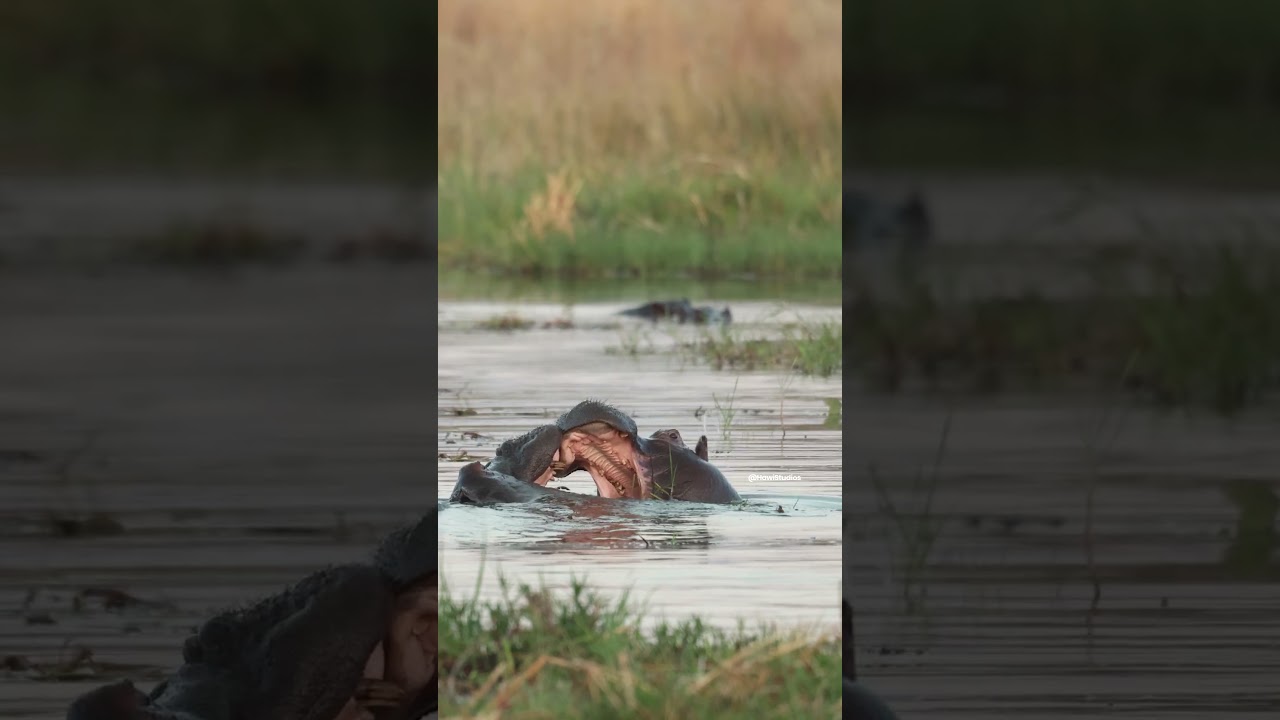
Hippo Jaw Gaping: Hippopotamus River Sparring Analysis
Examine hippopotamus river sparring and jaw gaping mechanics. Biological analysis of Hippopotamus amphibius tusk structure and aquatic territoriality.
Observational research, photographic studies, and production dispatches documenting wildlife behavior and habitat ecology.
Mammal Adaptations
Examine hippopotamus river sparring and jaw gaping mechanics. Biological analysis of Hippopotamus amphibius tusk structure and aquatic territoriality.
Mammal Adaptations
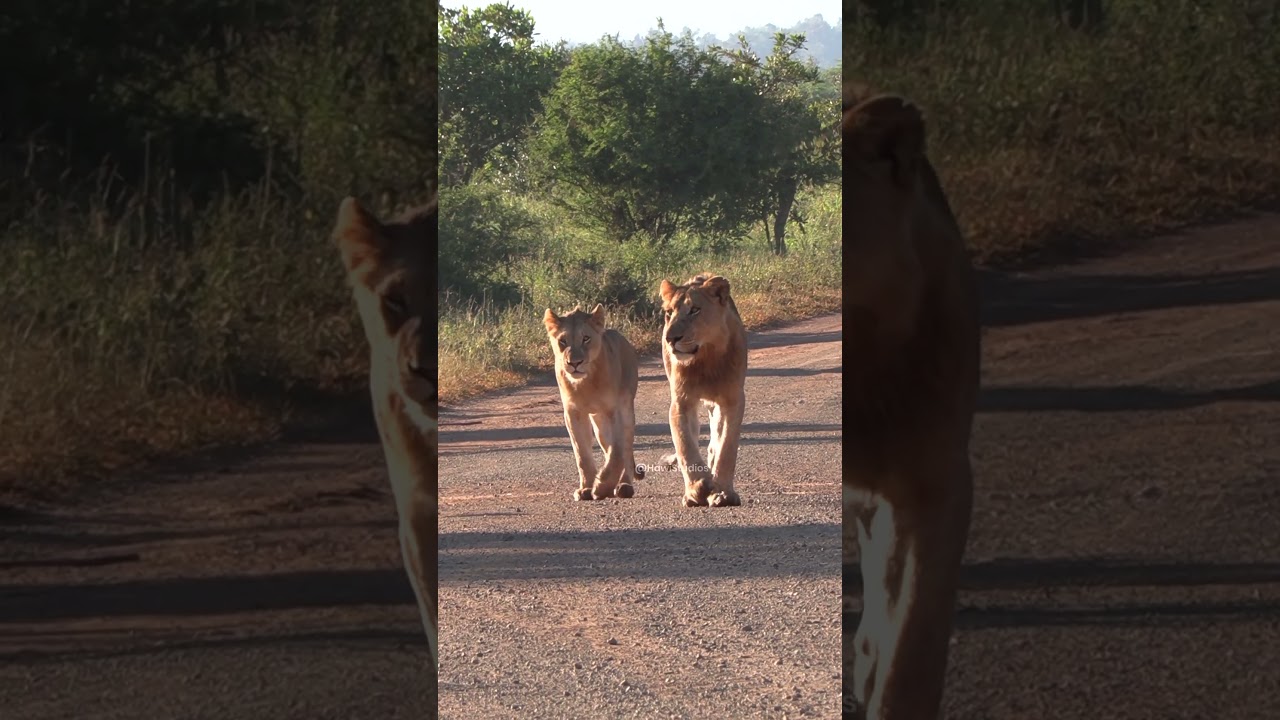
Examine African lion subadult locomotion, digitigrade foot structure, and social pacing mechanics in open savanna environments.
Mammal Adaptations
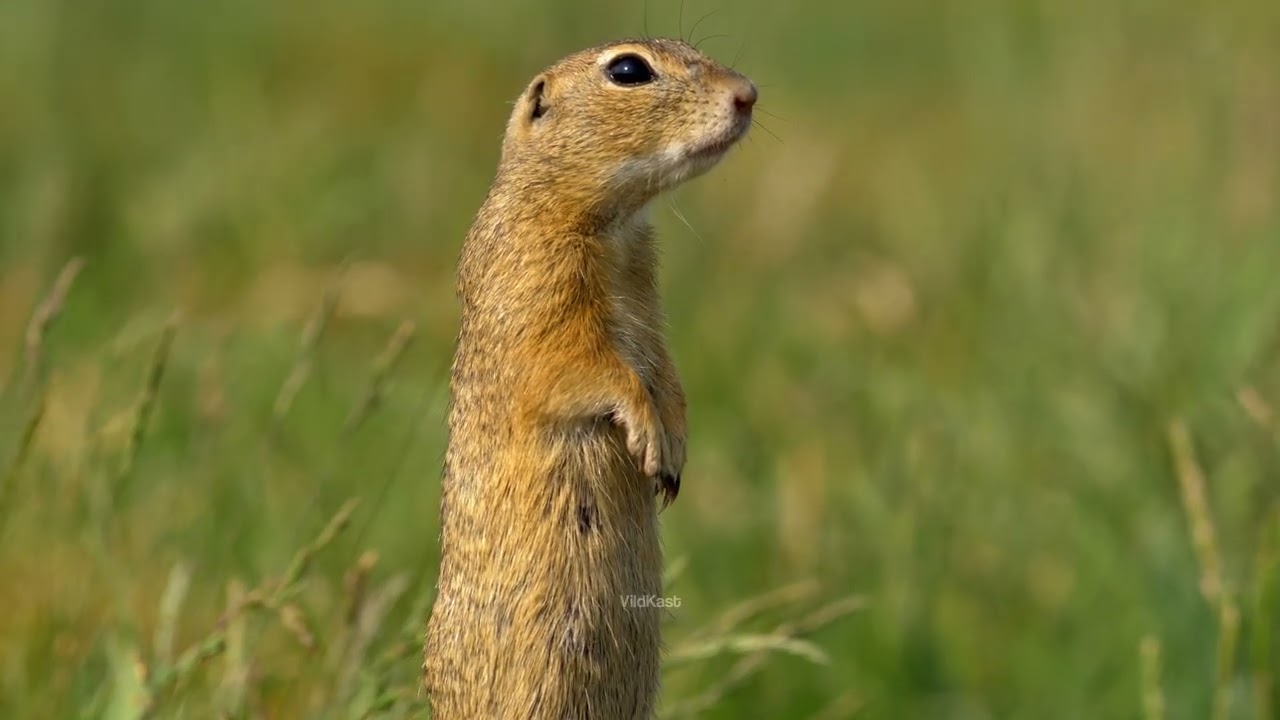
Explore the European Ground Squirrel’s sentinel behavior, an adaptation for predator detection. Learn about its upright posture and acute sensory vigilance.
Mammal Adaptations
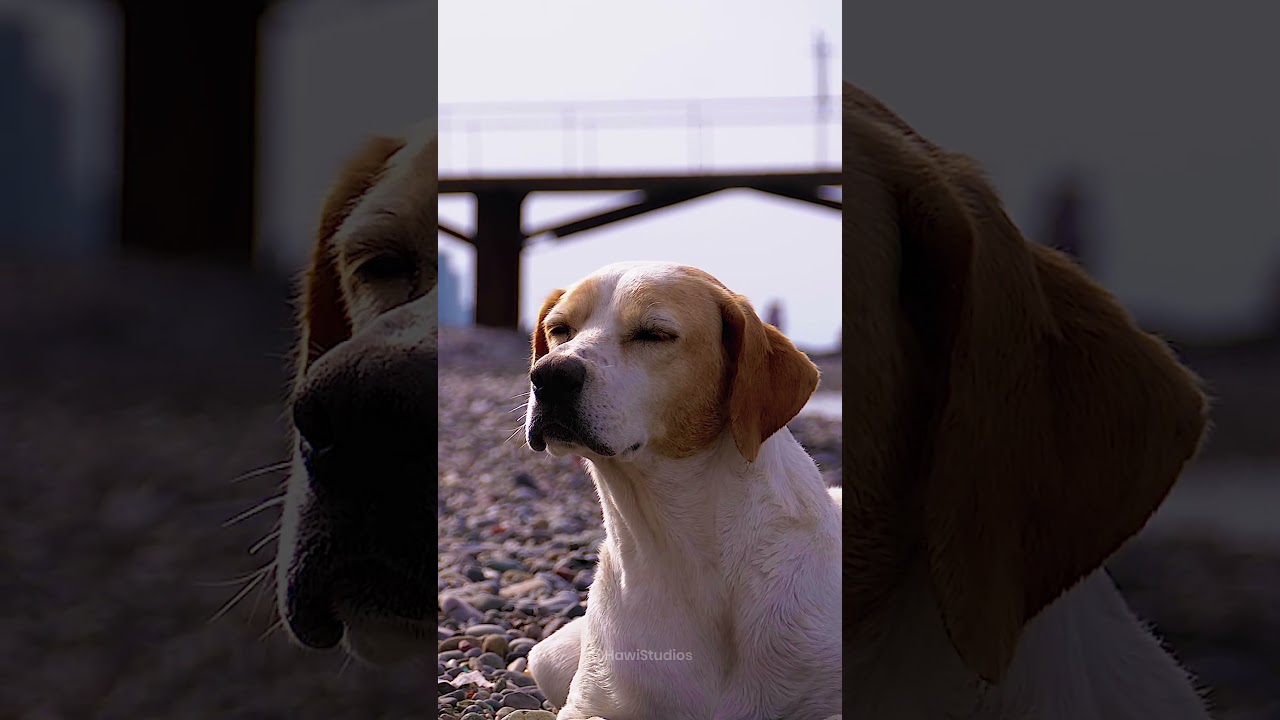
Explore stray dog beach behavior and sensory alertness on coastal shores, analyzing olfactory scanning, posture, and survival physiology.
Mammal Adaptations
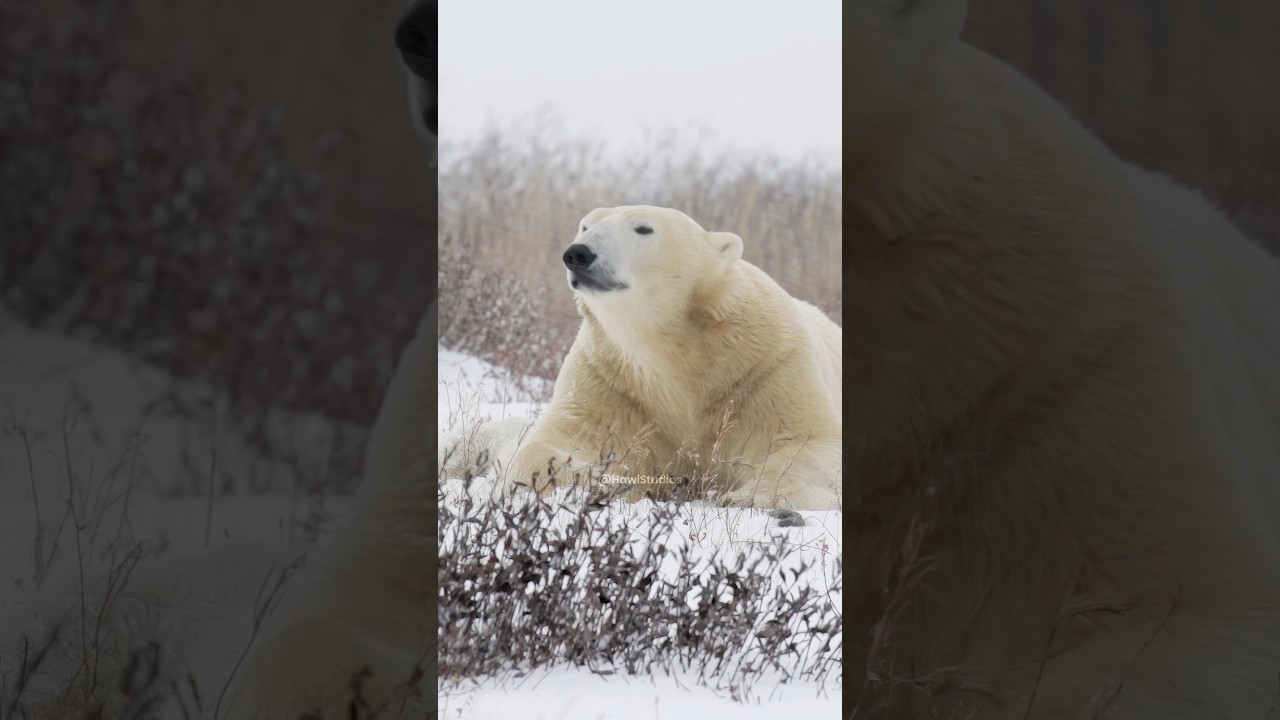
Examine polar bear olfactory vigilance and resting physiology during harsh wind events through frame by frame Arctic field observations.
Mammal Adaptations
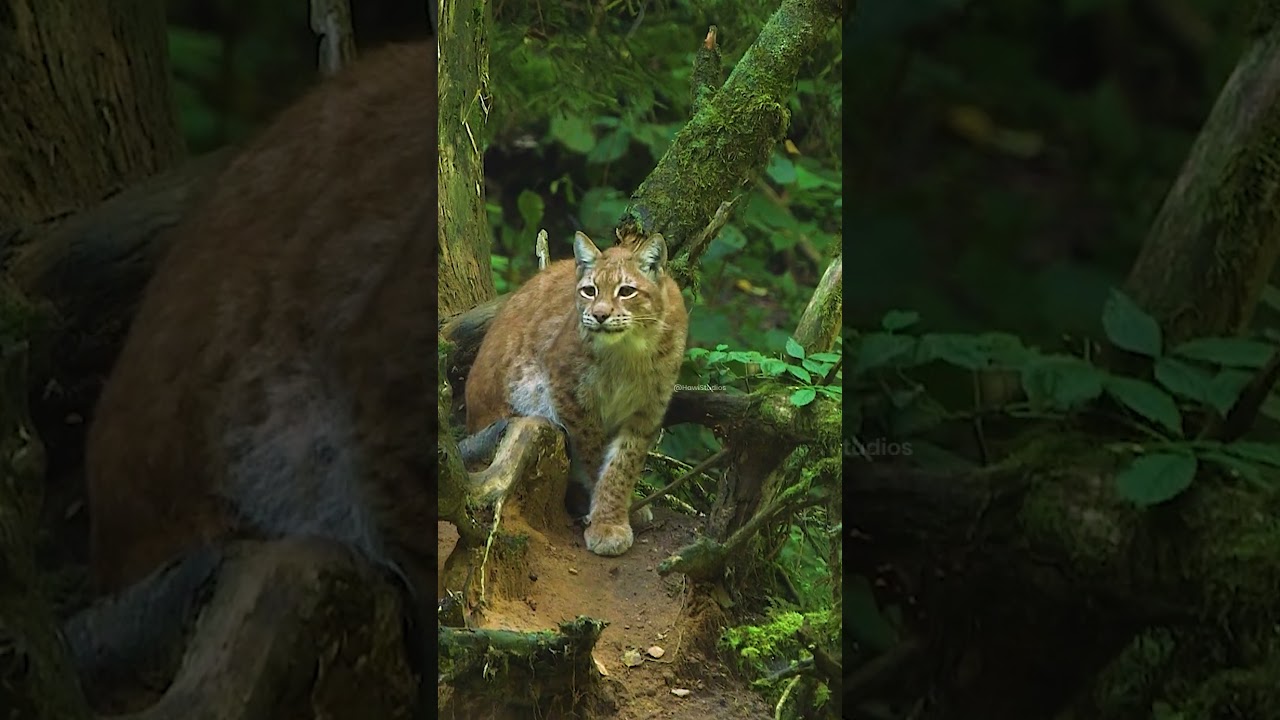
Examine Eurasian lynx hunting posture and ambush mechanics as observed in forest habitats, including crouch physics and sensory adaptations.
Mammal Adaptations
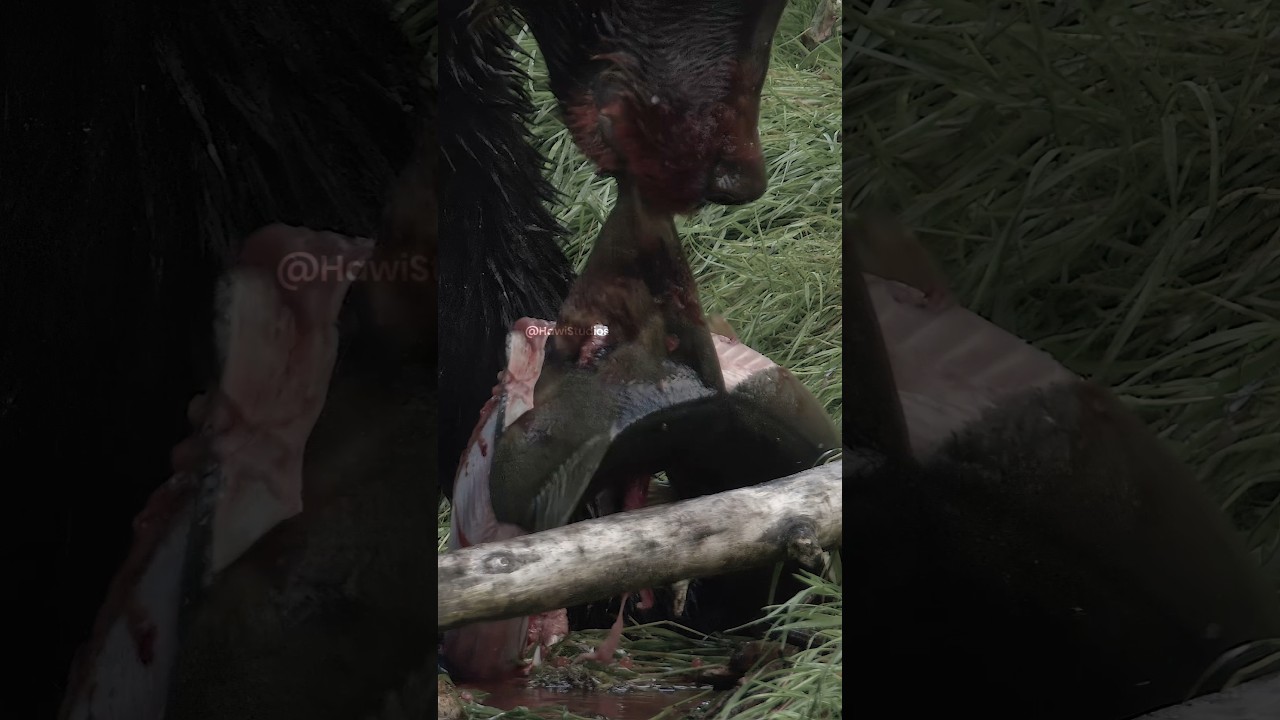
Explore the biological feeding mechanics of the American black bear as it processes salmon, focusing on specialized dental adaptations and foraging.
Mammal Adaptations
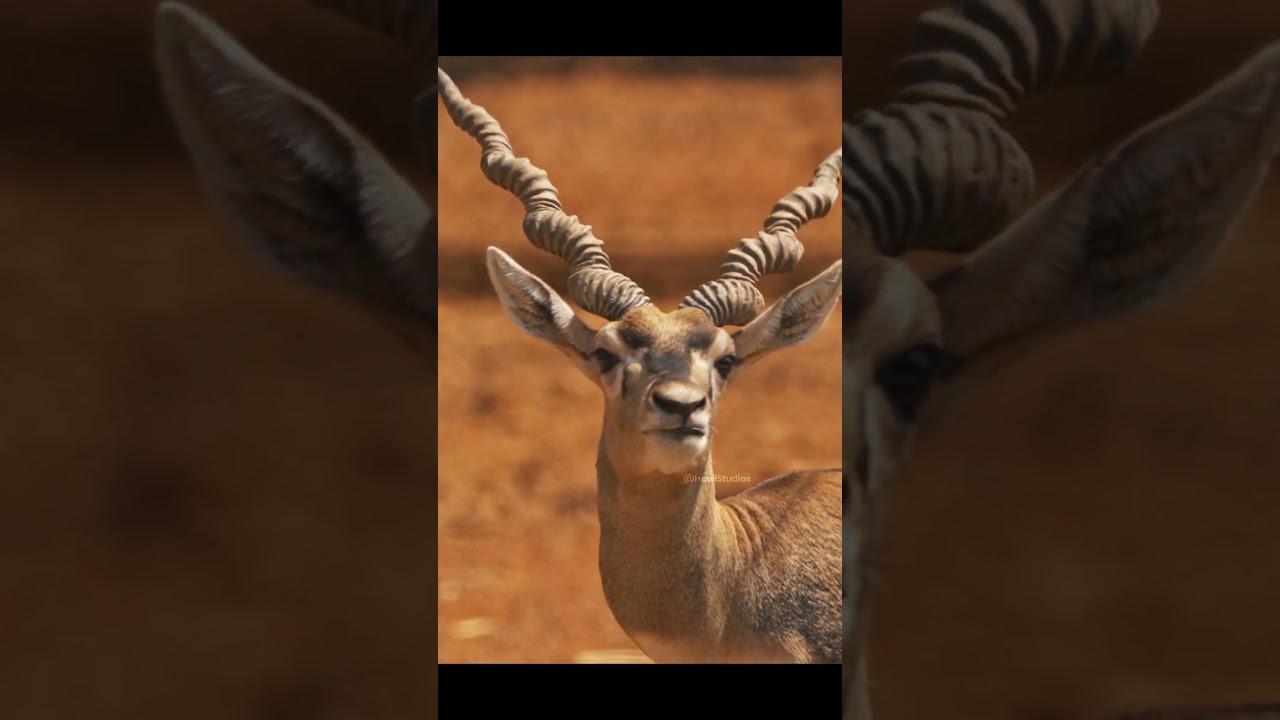
Explore the Blackbuck’s distinctive spiraled horns, a key adaptation for display and defense. Learn about its behavior and semi-arid habitat.
Mammal Adaptations
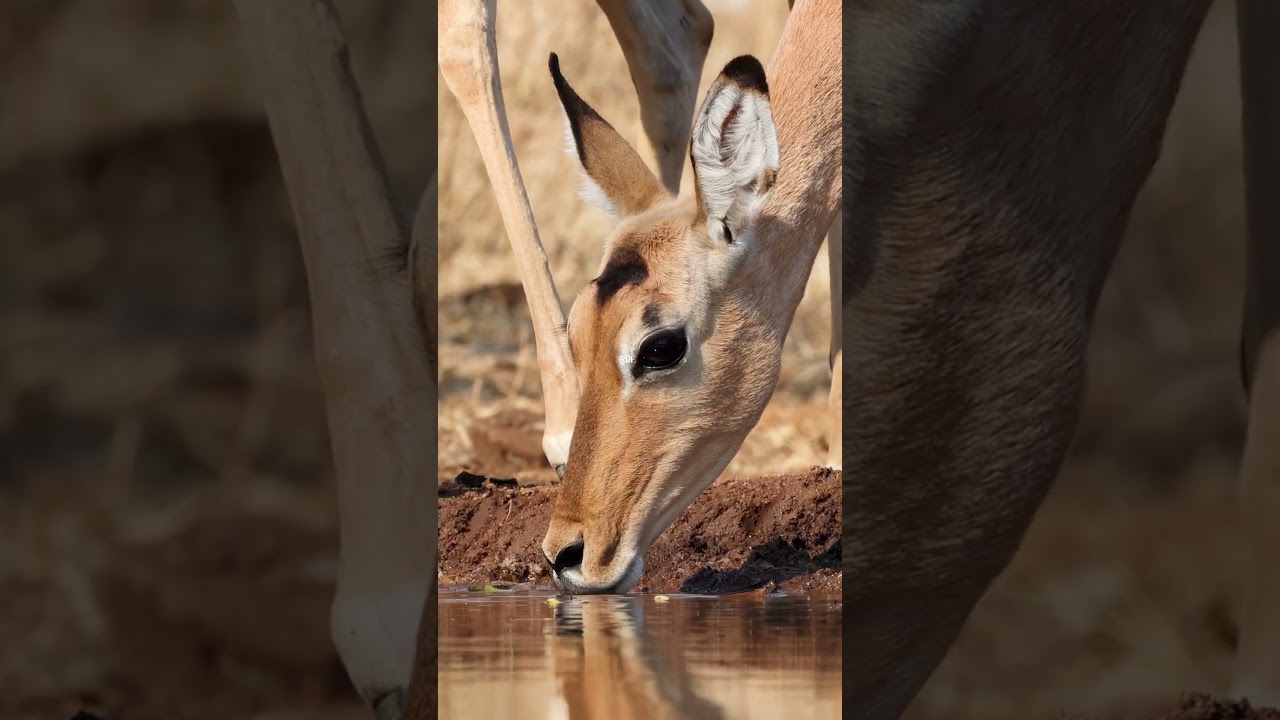
Examine impala drinking mechanics and fluid uptake adaptations in savanna waterholes through frame-by-frame biological analysis.
Mammal Adaptations
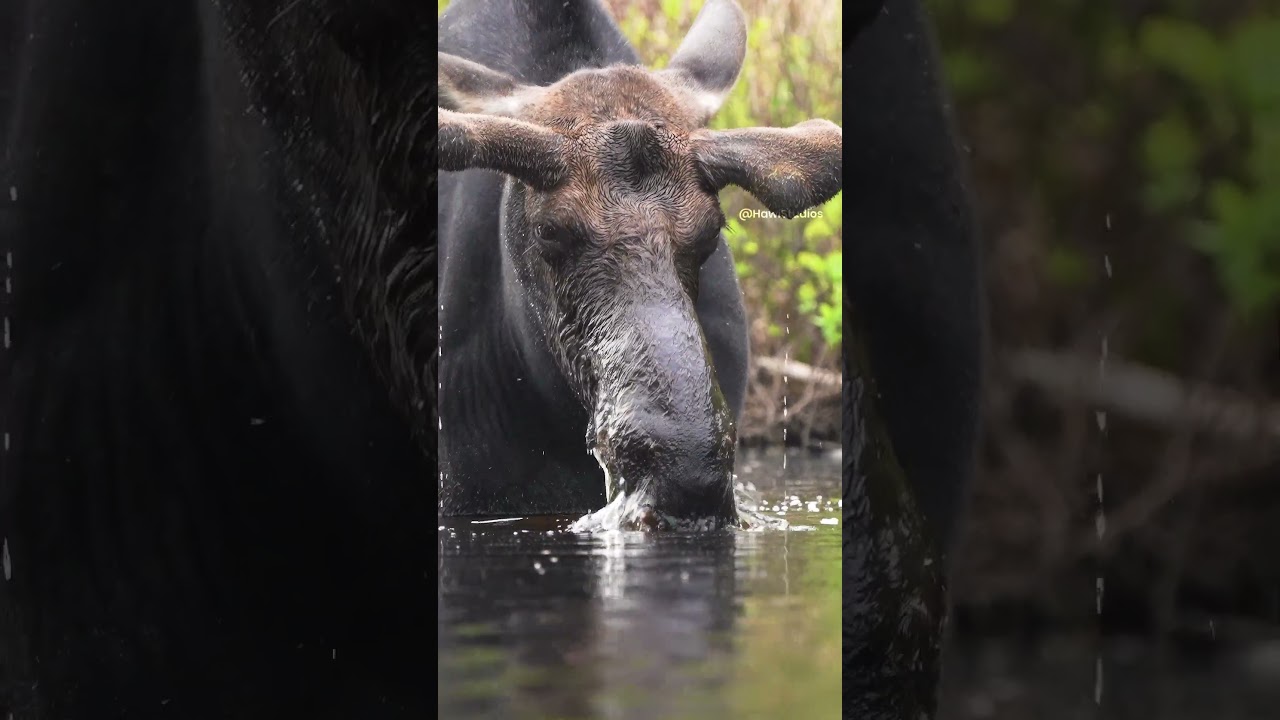
Analyze the feeding mechanics of the moose (Alces alces) as it navigates aquatic habitats to forage for nutrient-rich submerged vegetation.
Scroll down to load automatically or click to reveal