
Direct answer summary
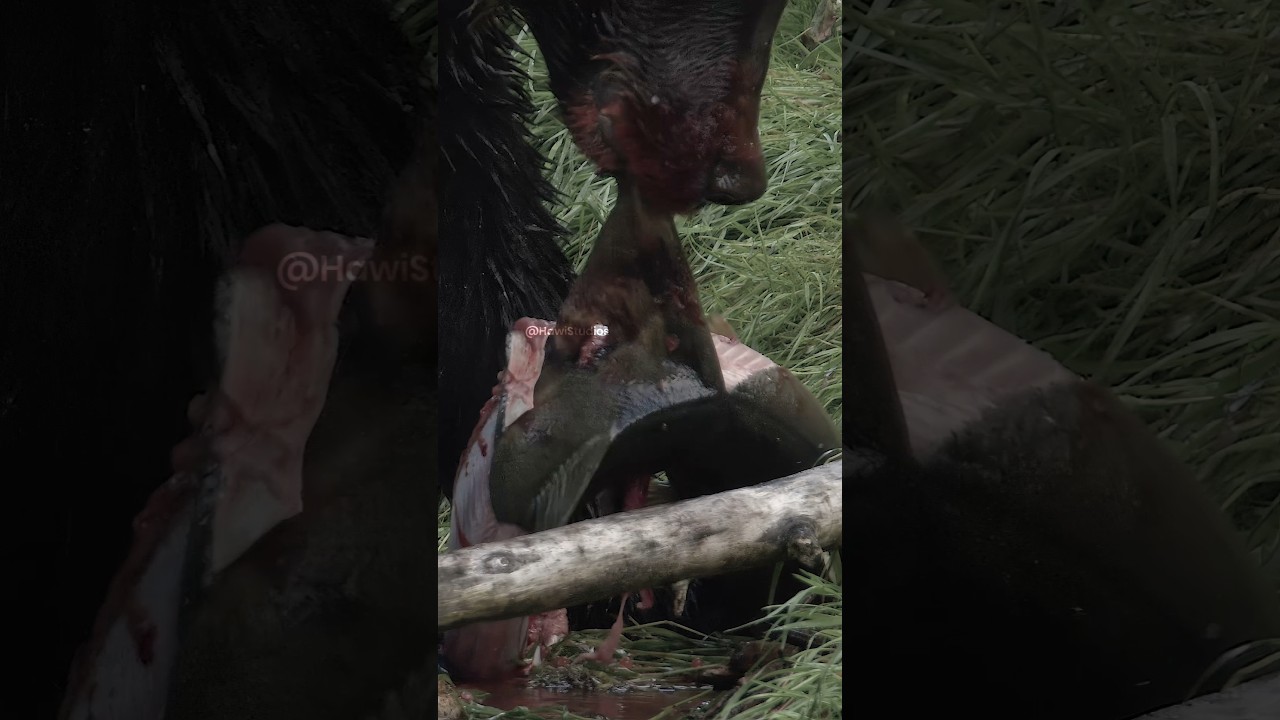
The American black bear (Ursus americanus) utilizes precise dental manipulation and forepaw dexterity to strip skin from salmon. This feeding behavior enables the bear to selectively consume high-fat tissues, which provides the caloric density required for survival and seasonal physiological demands.
Key Field Takeaways
- Taxonomic Classification: Family Ursidae, Genus Ursus, Species Ursus americanus.
- Primary Behavioral Adaptation: Selective tissue consumption using specialized incisor-canine interactions to peel fish skin.
- Ecological Niche: Opportunistic omnivore occupying diverse forest and riparian habitats across North America.
- Conservation & Field Status: Least Concern, populations remain stable due to high reproductive plasticity and dietary versatility.
| Feature | Specification |
|---|---|
| Scientific Name | Ursus americanus |
| Diet | Omnivorous (fish, berries, insects, vegetation) |
| Habitat | Forests, mountains, and riparian corridors |
| Key Adaptation | Bunodont molars and dexterous forepaws |
| IUCN Status | Least Concern |
Feeding mechanics and dental anatomy
The Ursus americanus demonstrates sophisticated manipulation during salmon consumption. By anchoring the fish carcass with its forepaws, the bear employs its anterior dentition to grip the dermal layer of the salmon. This action functions as a mechanical peeling process, allowing the bear to remove the skin and access the underlying lipid-rich flesh.
Dental morphology for an omnivorous diet
The skull of the American black bear features a combination of sharp canines for grasping and broad, flat-crowned bunodont molars. This heterodont arrangement is essential for a generalist diet. While the incisors are utilized here for the precision task of skinning, the molars are specialized for grinding fibrous vegetation, a behavior distinct from the impala chewing behavior seen in specialized herbivores.
Riparian foraging dynamics
Riparian zones serve as critical foraging grounds for American black bears during salmon spawning runs. The bear’s ability to extract high-quality nutrients from fish is a learned behavior that significantly increases its body mass before winter. This behavior is similar to other large mammals that utilize aquatic resources, much like moose aquatic foraging, where specific environmental niches provide essential minerals and energy.
Interspecies interactions and ecosystem role
As apex opportunistic predators, American black bears distribute marine-derived nitrogen into the surrounding forest ecosystem through their feeding leftovers. This nutrient transfer supports soil health and vegetation growth. Their presence in the habitat influences the behavioral strategies of smaller scavengers, similar to observations in cheetah feeding behavior, where secondary consumers rely on the remnants left by dominant predators.