
Direct answer summary
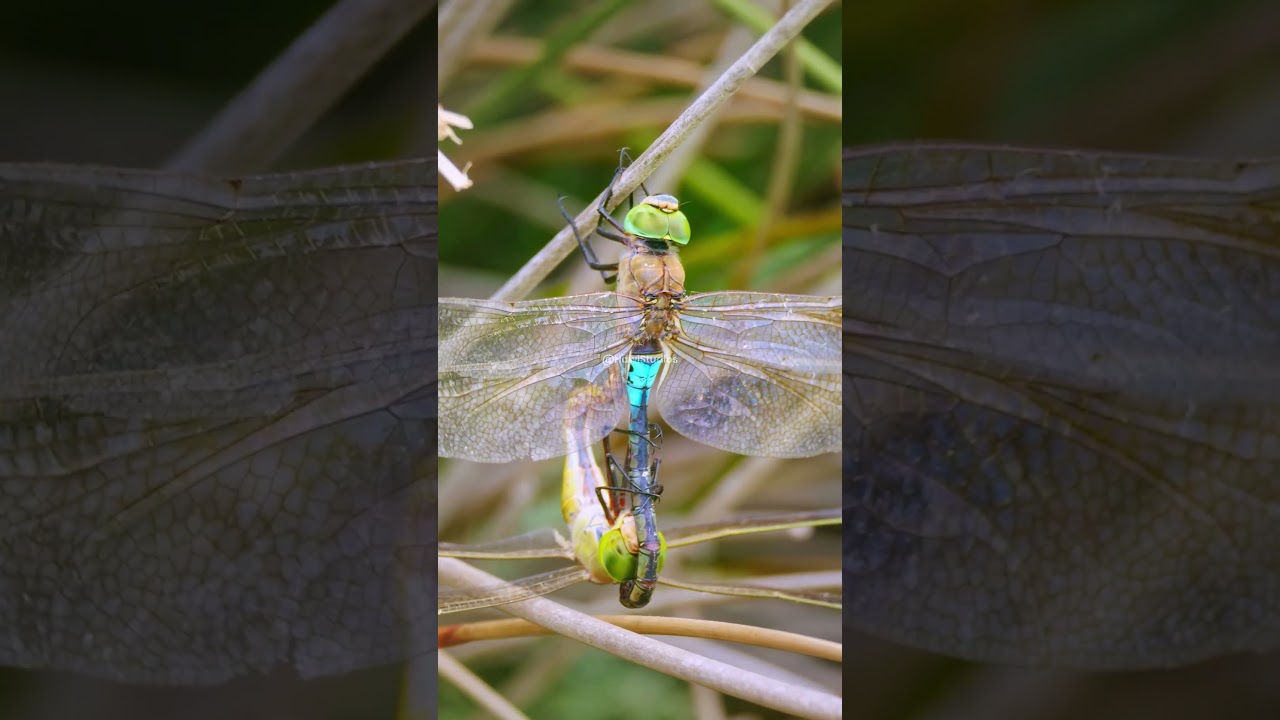
Dragonfly mating behavior is characterized by a distinctive tandem linkage, where the male secures the female by the head or thorax using specialized cerci. This physical connection facilitates the transfer of sperm as the female arches her abdomen to meet the male’s secondary reproductive organs.
Key Field Takeaways
- Taxonomic Classification: Order Odonata, encompassing highly specialized predatory insects with aquatic larval stages.
- Reproductive Mechanism: The tandem position allows for precise sperm transfer via secondary genitalia located on the second abdominal segment.
- Morphological Adaptation: Males possess complex anal appendages (cerci and epiprocts) specifically evolved to lock onto the female’s head structure.
- Ecological Significance: These insects function as primary apex predators in freshwater ecosystems, controlling populations of smaller flying insects.
| Feature | Specification |
|---|---|
| Scientific Order | Odonata |
| Conservation Status | Variable by species, generally stable |
| Diet | Carnivorous (insects) |
| Habitat | Freshwater wetlands, ponds, and streams |
| Key Adaptation | Independent wing control and compound eyes |
Reproductive mechanics in Odonata
The reproductive strategy observed in the footage illustrates the high degree of specialization within the order Odonata. The male initiates the process by grasping the female’s head with his anal appendages, a structure known as the cerci. This initial attachment is known as the tandem position, which provides the necessary stability for the subsequent coupling.
The mechanics of the mating wheel
Once the tandem link is secured, the female curls her abdomen forward to contact the male’s secondary genitalia, which are located on the underside of his second abdominal segment. This creates the characteristic wheel or heart shape. This anatomical arrangement is a requirement for successful fertilization, as the male must first transfer sperm from his primary genital opening to the secondary organ before the encounter.
Morphological adaptations for aerial dominance
Dragonflies are evolved for extreme aerial agility, possessing two pairs of wings that can be operated independently. This muscular control allows for rapid changes in direction, hovering, and even flight in reverse. Their large, multifaceted compound eyes provide a nearly 360-degree field of vision, which is critical for both hunting and identifying potential mates.
Exoskeleton and sensory structures
The rigid chitinous exoskeleton provides the necessary structural integrity for high-speed flight and protection during the mating process. Sensory hairs on the thorax and head detect air currents and vibrations, allowing these insects to navigate complex environments with precision. These adaptations are comparable to the specialized sensory systems seen in other predatory species, such as the Oriental Garden Lizard.
Ecological role and habitat dynamics
Dragonflies are strictly tied to freshwater environments for their reproductive cycle. The female deposits eggs in or near water, where the naiads (larvae) develop as aquatic predators. This life cycle makes them sensitive indicators of water quality and ecosystem health. As they transition from aquatic nymphs to aerial adults, they occupy different trophic levels, consuming mosquito larvae in the water and adult flies or midges in the air.
Predation avoidance and survival
During the mating process, dragonflies are particularly vulnerable to avian predators. Their choice of resting site, such as a sturdy plant stem, provides a degree of camouflage against the surrounding vegetation. This strategy mirrors the vigilance observed in other species, such as the black-backed jackal, which must balance essential biological functions with the constant threat of predation.