
Direct answer summary
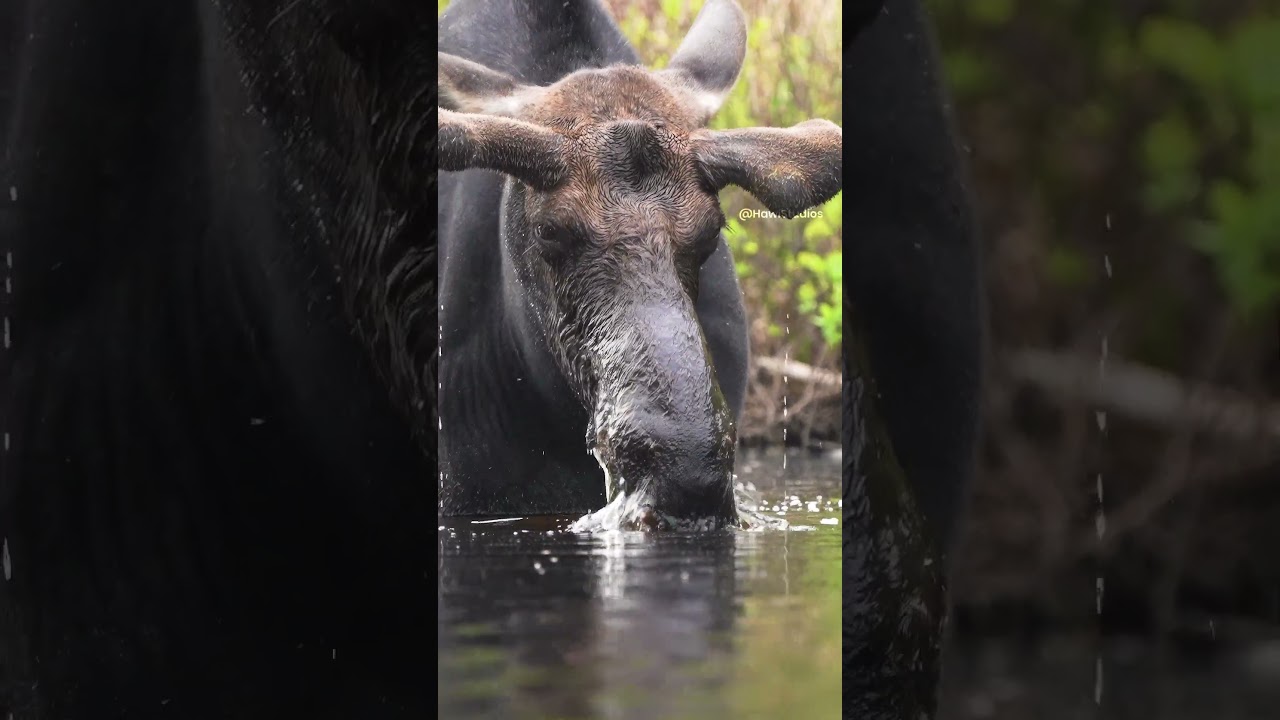
The moose (Alces alces) engages in aquatic foraging to consume mineral-dense submerged vegetation. By submerging its head, the animal accesses aquatic plants that provide necessary dietary sodium, often consuming up to 20 kilograms of vegetation daily during peak summer months.
Key Field Takeaways
- Taxonomic Classification: Family Cervidae, Genus Alces, Species Alces alces.
- Primary Behavioral Adaptation: Specialized muzzle and lip structure allowing for efficient underwater suction and plant harvesting.
- Ecological Niche: Wetland and lake ecosystems where sodium-rich aquatic plants are abundant.
- Conservation & Field Status: Generally stable, though populations are sensitive to climate-induced habitat shifts and parasite loads.
| Feature | Specification |
|---|---|
| Scientific Name | Alces alces |
| Common Name | Moose |
| Diet | Aquatic plants, woody browse, leaves |
| Habitat | Boreal forests, wetlands, river valleys |
| Adaptation | Submerged foraging capability |
Moose aquatic foraging mechanics
The footage demonstrates the transition of a bull moose from a submerged state back to the surface. This behavior is a fundamental aspect of its foraging strategy. The animal maintains a steady posture as it surfaces, allowing water to drain from its muzzle, which is a common observation in wetland-dwelling ungulates similar to the efficiency seen in equine grazing mechanics.
Morphological adaptations for water
The moose possesses a large, flexible upper lip and a robust muzzle designed for grasping vegetation underwater. Its nasal passages can close, preventing water intake during submersion. These physical traits allow the animal to remain underwater for extended periods while grazing on nutrient-dense aquatic flora.
Ecological role and habitat dynamics
Moose function as primary consumers in boreal and wetland ecosystems. By consuming large quantities of aquatic vegetation, they influence the biomass and distribution of plant life in these environments. Their presence is often indicative of healthy, diverse wetland systems that support complex trophic webs.
Vigilance and predator avoidance
Raising the head above the water surface serves a dual purpose: swallowing the gathered vegetation and maintaining situational awareness. Constant scanning for predators, such as wolves or bears, is essential for survival. This behavior mirrors the vigilance strategies observed in other large mammals, such as the black-backed jackal drinking, where the animal balances the physiological need for hydration or food with the constant requirement for safety.