Mammal Adaptations
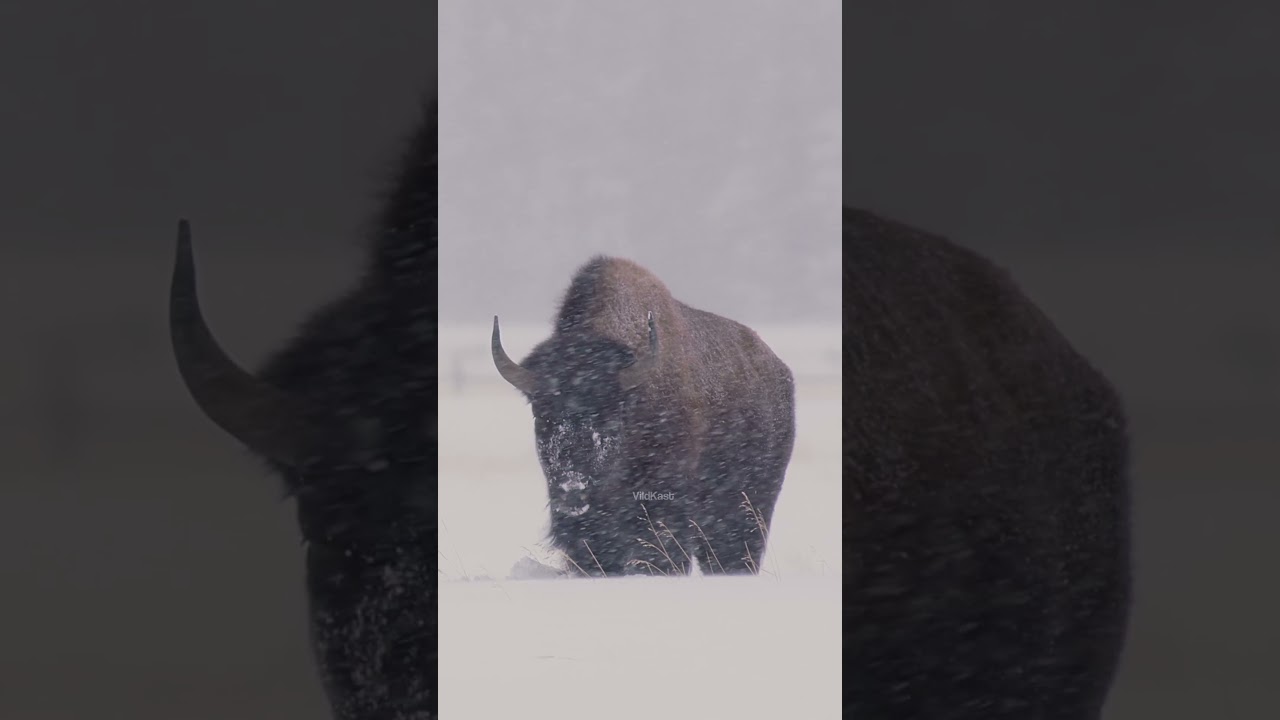
American Bison Blizzard Survival and Winter Adaptations
Discover how the American bison (Bison bison) survives severe winter blizzards through specialized double fur coats and neck muscle adaptations.
Observational research, photographic studies, and production dispatches documenting wildlife behavior and habitat ecology.
Mammal Adaptations
Discover how the American bison (Bison bison) survives severe winter blizzards through specialized double fur coats and neck muscle adaptations.
Mammal Adaptations
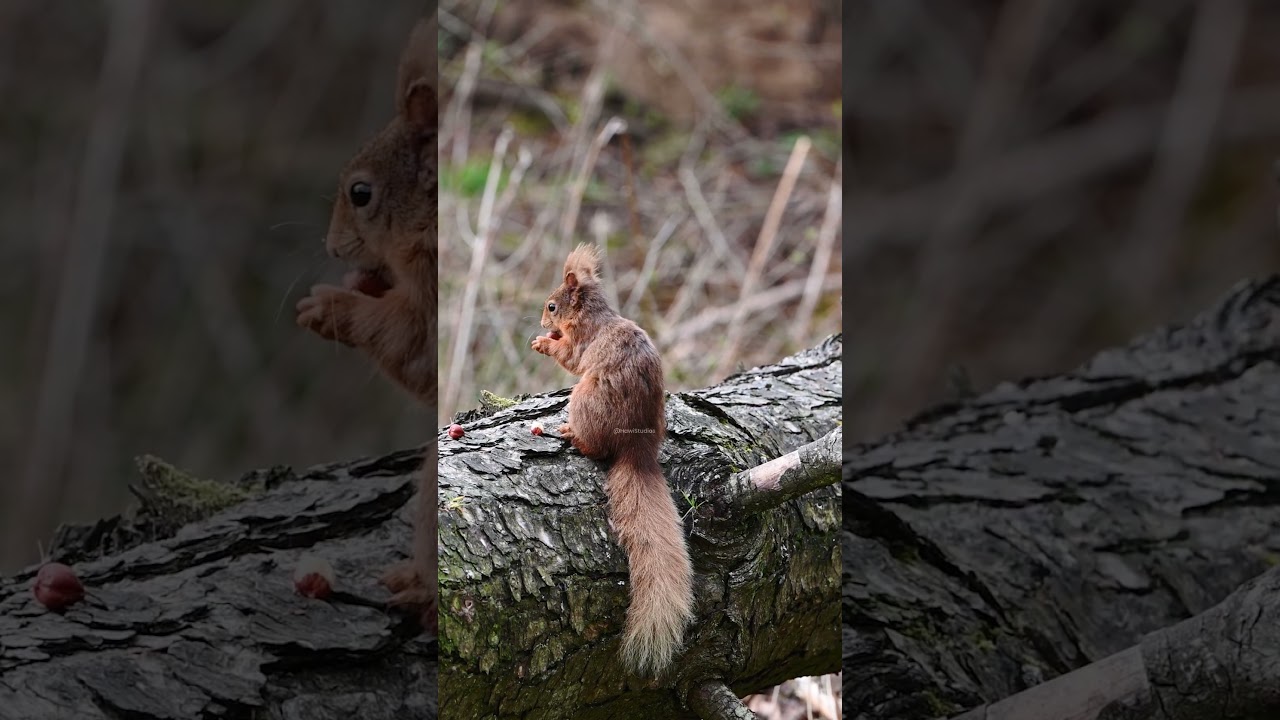
Examine Eurasian red squirrel (Sciurus vulgaris) foraging mechanics, manual dexterity, and vigilance behavior observed on woodland substrates.
Mammal Adaptations
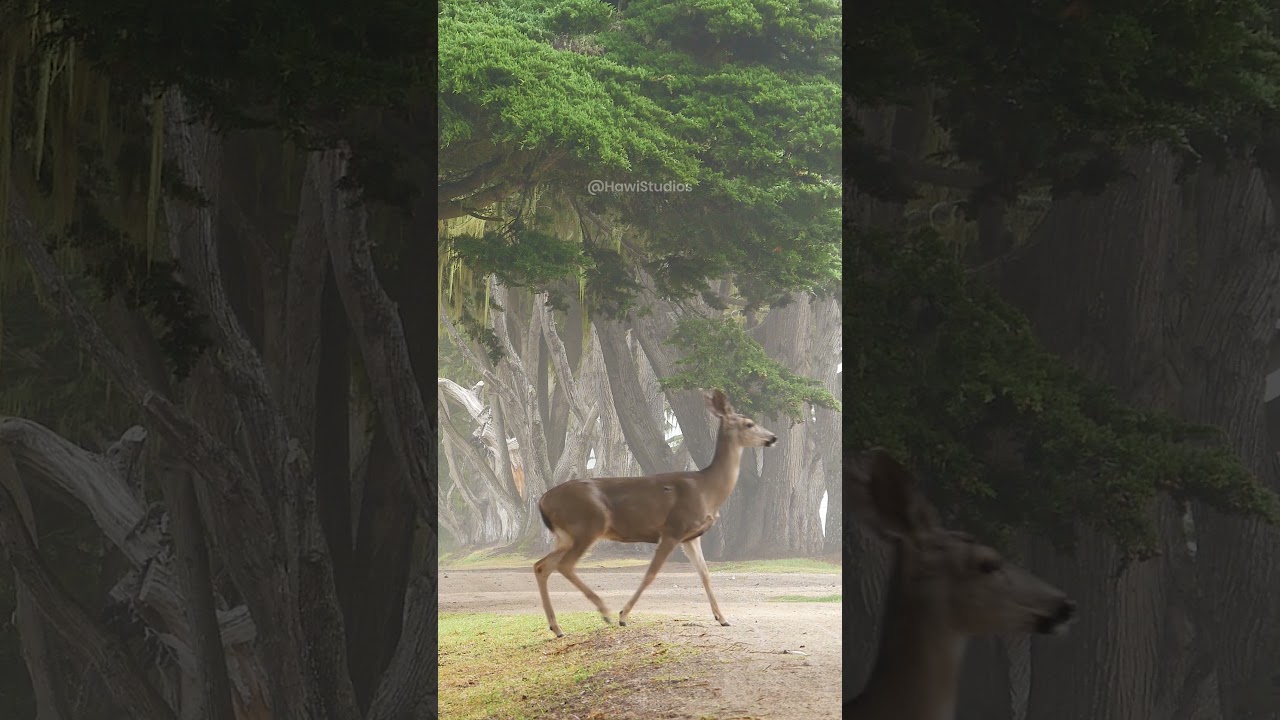
Examine mule deer vigilance mechanics and sensory locomotion adaptations in foggy coastal forest habitats under dense canopy environments.
Mammal Adaptations
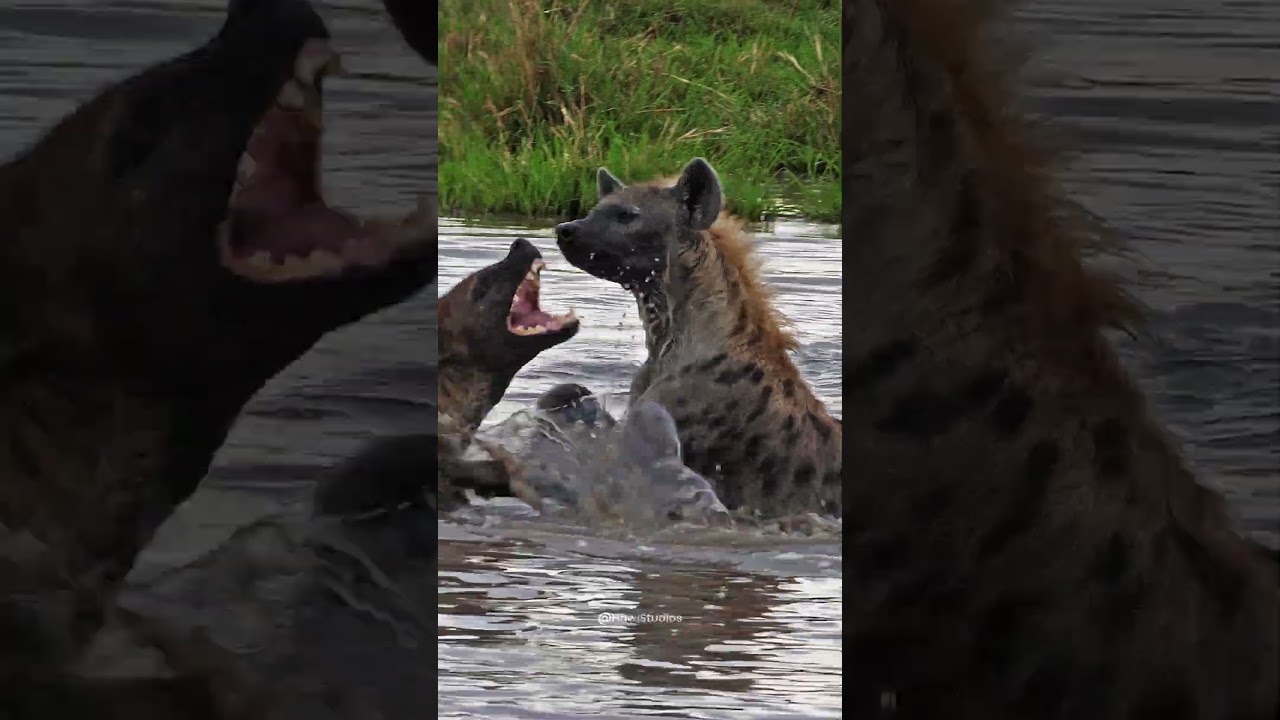
Discover why spotted hyenas enter water holes for social play and thermoregulation. Learn about Crocuta crocuta social hierarchy and physical adaptations.
Mammal Adaptations
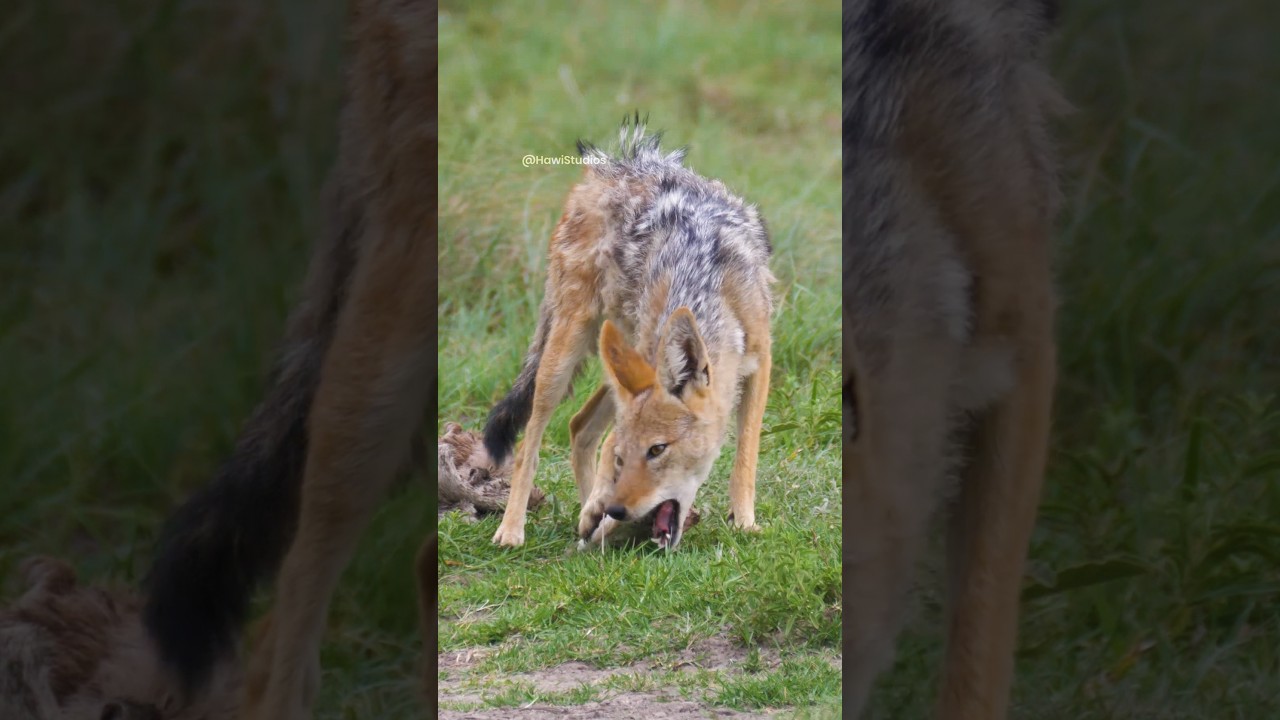
Examine black-backed jackal feeding mechanics, carcass pinning, carnassial dental shearing, and visual vigilance through observational field data.
Mammal Adaptations
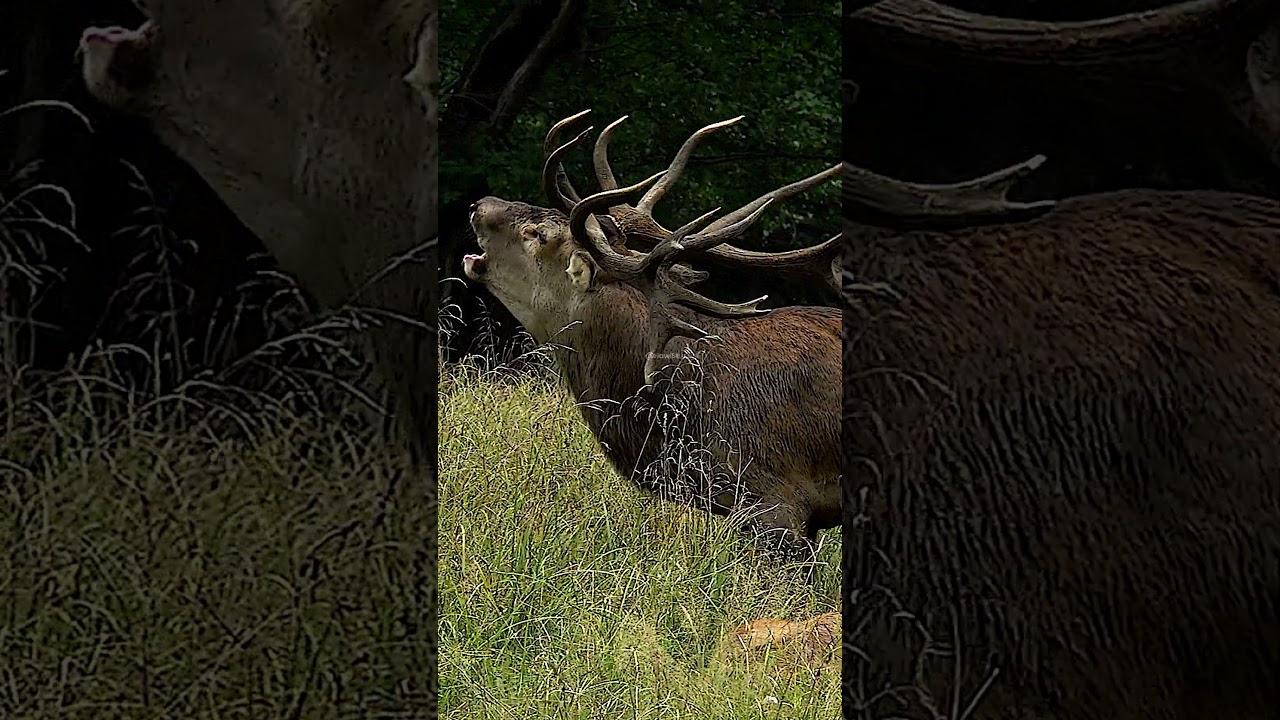
Learn how male red deer (Cervus elaphus) produce deep rutting calls to announce fitness, defend harems, and out-compete rivals during breeding season.
Mammal Adaptations
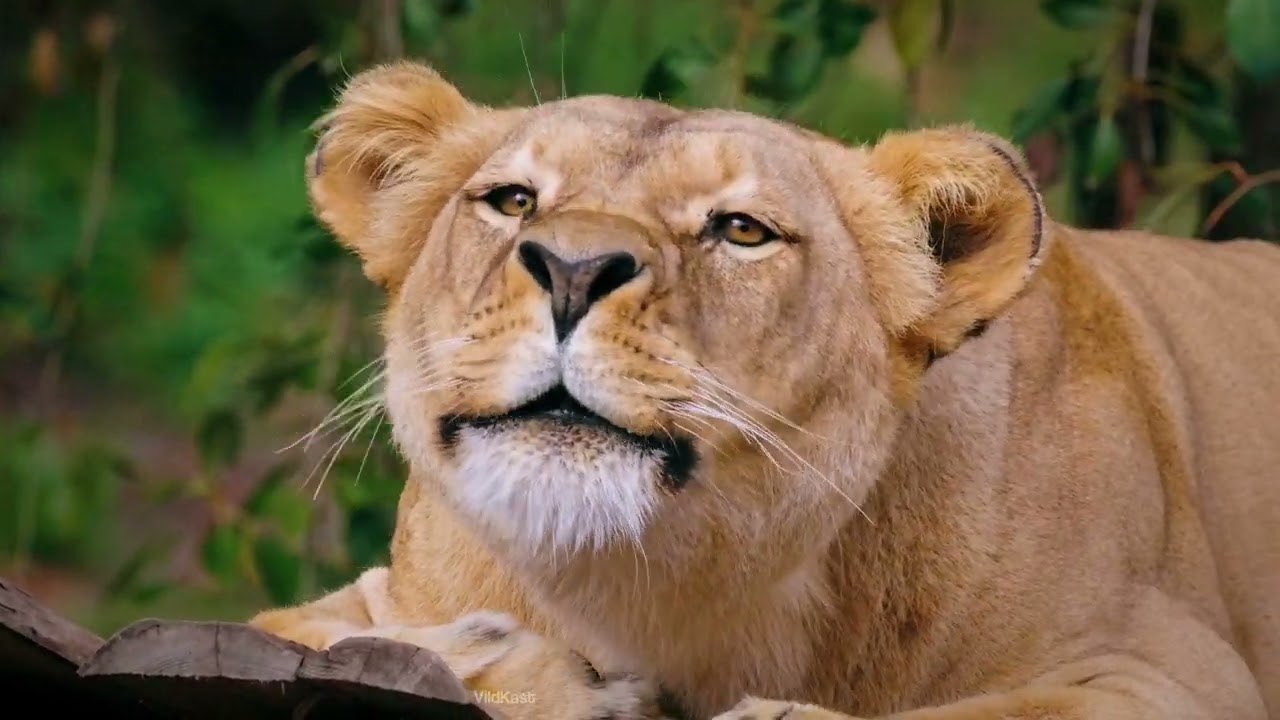
Discover how a lioness vocalizes through specialized hyoid anatomy and vocal folds, projecting low-frequency roars up to eight kilometers.
Mammal Adaptations
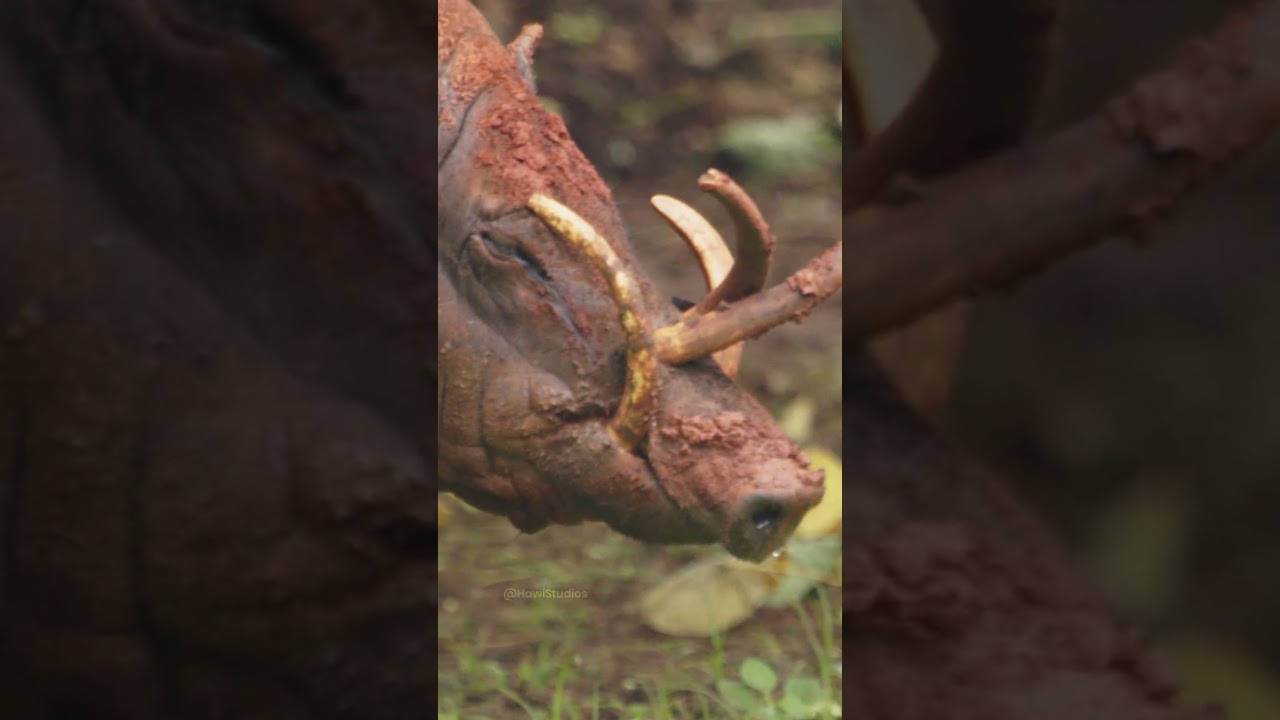
Learn how North Sulawesi babirusa upper canine teeth grow directly through the snout skin and curve backward to form protective head weaponry.
Mammal Adaptations
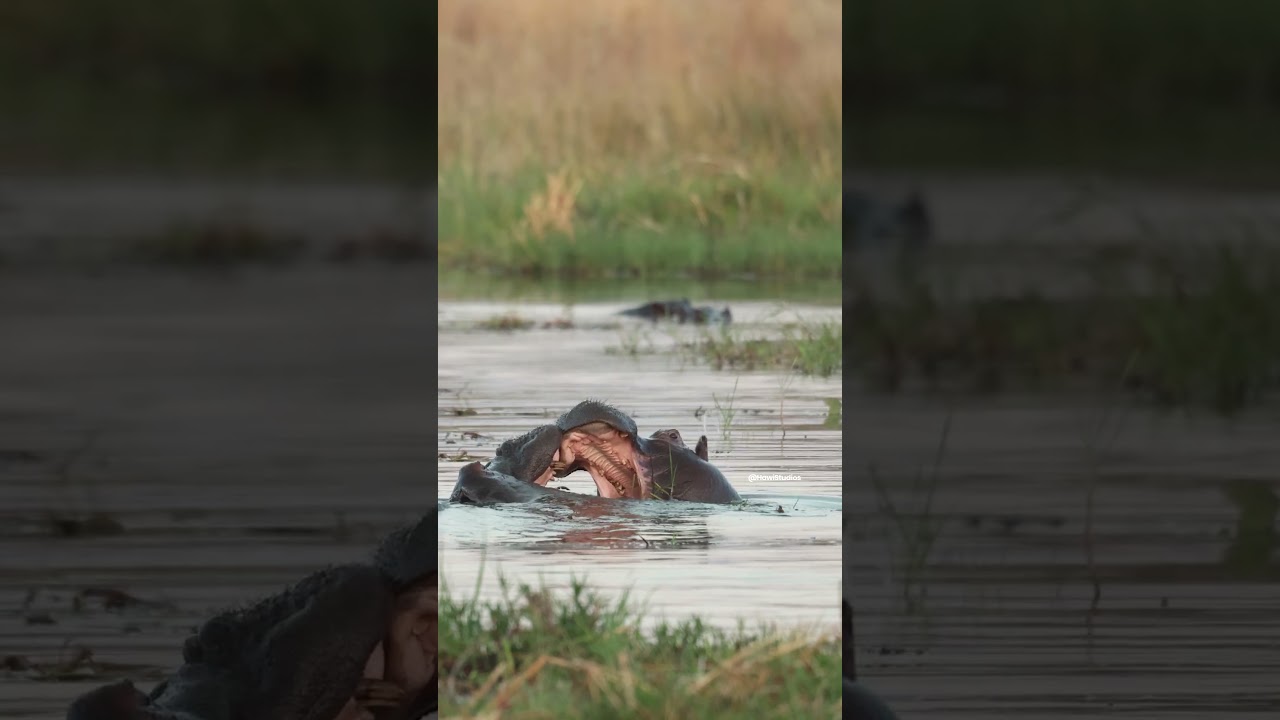
Examine hippopotamus river sparring and jaw gaping mechanics. Biological analysis of Hippopotamus amphibius tusk structure and aquatic territoriality.
Mammal Adaptations
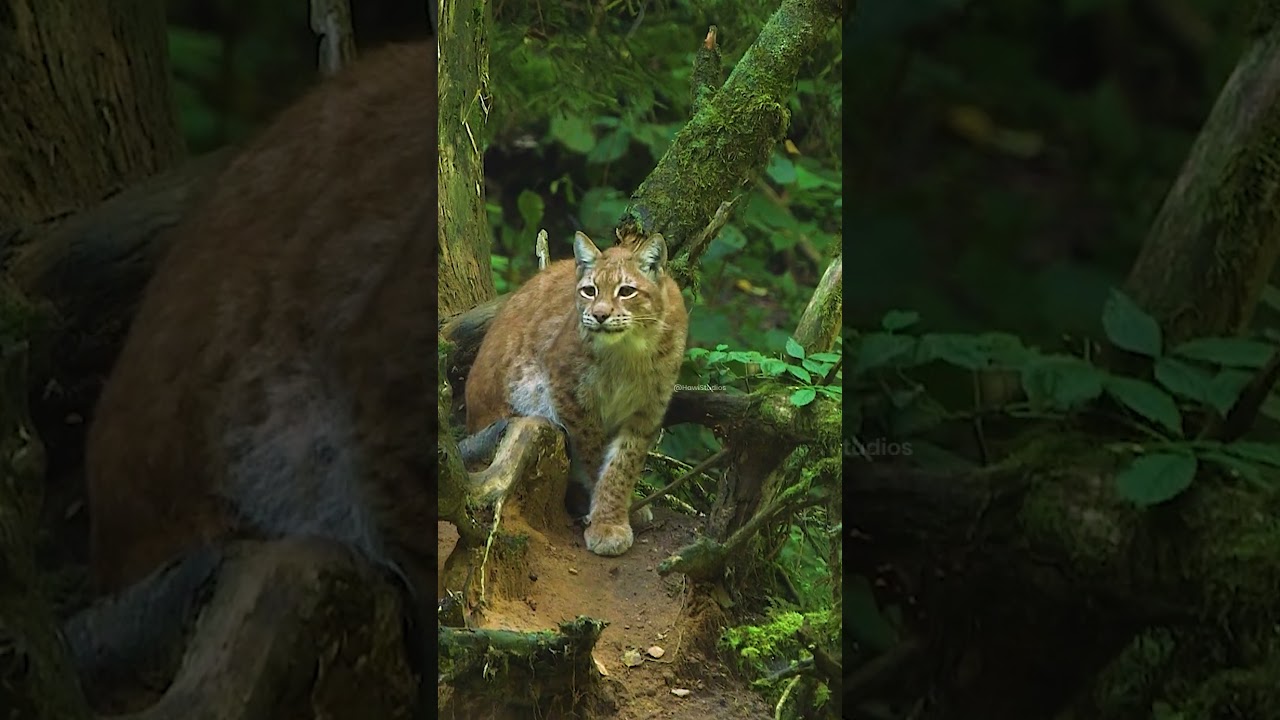
Examine Eurasian lynx hunting posture and ambush mechanics as observed in forest habitats, including crouch physics and sensory adaptations.
Scroll down to load automatically or click to reveal