
Direct answer summary
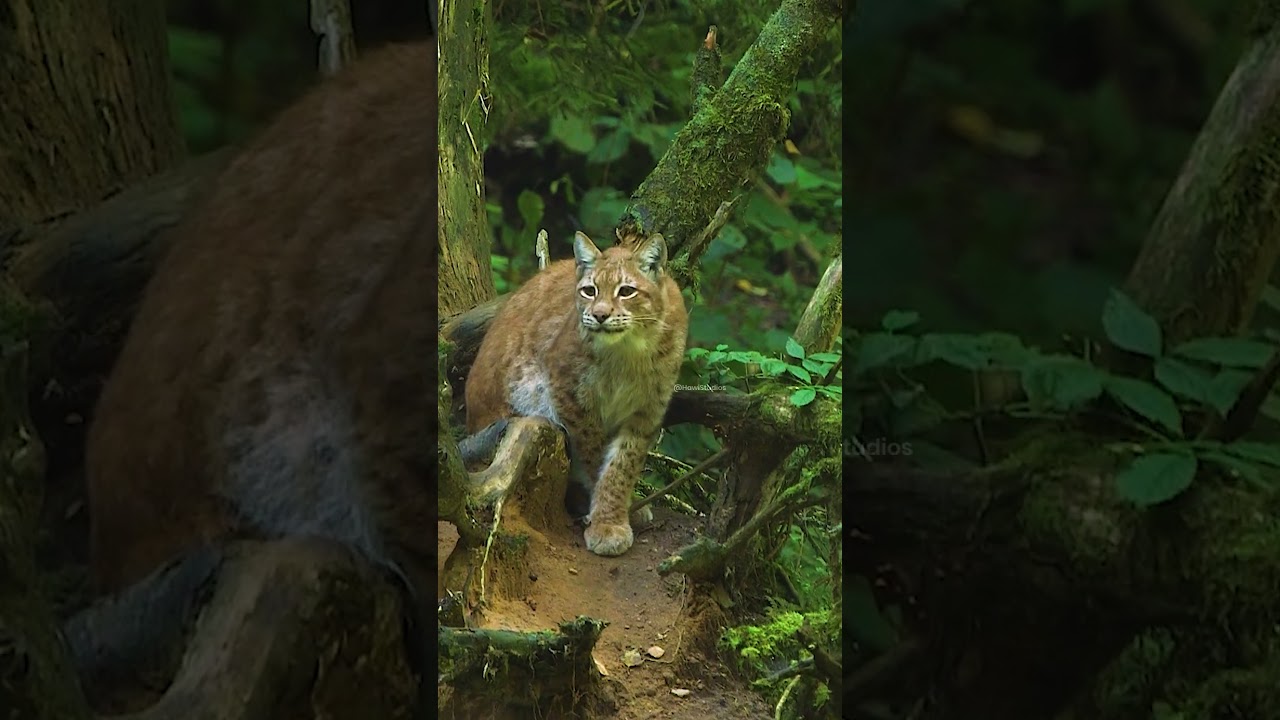
Eurasian lynx hunting posture features a lowered thorax, flexed tarsal joints, and forward-oriented cervical extension that compresses muscular tension into the hindquarters. This biomechanical crouch optimizes kinetic energy storage, allows silent weight shifts across soft substrates, and maximizes forward propulsion during ambush strikes.
Key Field Takeaways
- Taxonomic Classification: Class Mammalia, Order Carnivora, Family Felidae, Lynx lynx.
- Primary Behavioral Adaptation: Low-frequency crouching mechanics with static weight distribution over flexible plantar surfaces for silent stalking.
- Ecological Niche & Range: Apex or mesopredator in boreal and temperate mixed forests across Europe, Siberia, and Central Asia.
- Conservation Status: Classified as Least Concern by the IUCN overall, though isolated European subpopulations remain Endangered.
| Parameter | Biological Metric / Classification |
|---|---|
| Binomial Nomenclature | Lynx lynx |
| Common Name | Eurasian lynx |
| IUCN Conservation Status | Least Concern (global population) |
| Primary Diet | Ungulates (roe deer, chamois) and small mammals (hares) |
| Natural Habitat | Boreal coniferous forests, montane woodlands, temperate mixed forests |
| Key Anatomical Adaptation | Oversized snowshoe-like paws with retractable claws and auditory ear tufts |
Biomechanical analysis of Eurasian lynx crouching posture
Observational evidence from the footage illustrates the precise physical transition of the Eurasian lynx (Lynx lynx) as it moves from an upright alert posture into a specialized crouching stance. Perched atop an elevated earth bank supported by exposed tree roots, the animal systematically lowers its center of gravity. Between the first and fifth second of the sequence, the body height decreases noticeably as the pectoral girdle settles closer to the substrate.
The right forelimb advances forward, anchoring its broad paw into the loose soil and leaf debris. This forelimb extension creates a wide, stable tripod base between the two front paws and the anchored hindquarters. Flexion occurs simultaneously in the tarsal, stifle, and hip joints. By compressing these limb angles, the feline pre-loads the large gluteal, quadriceps, and gastrocnemius muscle groups with elastic potential energy.
During this physical shift, cervical extension keeps the head elevated and level with the target vector. The neck muscles hold the skull steady while eyes with widened pupils remain fixated on the subject out of frame. This specialized stabilization eliminates unnecessary head motion that could alert nearby prey to the predator presence.
Morphological adaptations for ambush predation
The Eurasian lynx exhibits distinct skeletal and muscular features tailored for ambush hunting within dense vegetation. A notable morphological characteristic of Lynx lynx is the disproportionate length of its hind limbs relative to its forelimbs. The pelvic limbs are up to 20 percent longer than the pectoral limbs, producing a sloped dorsal line that naturally inclines the pelvis forward when the animal crouches.
This anatomical trait provides exceptional mechanical leverage during horizontal springing motions. When the tarsal joints extend rapidly from a compressed position, the long levers of the tibia and fibula generate high force output against the ground. This allows an adult lynx weighing 18 to 30 kilograms to launch forward up to 5 meters in a single bound.
Sensory structures and cranial features
The cranial morphology of Lynx lynx features high sensory specialization. Prominent black hair tufts extending 20 to 40 millimeters from the tips of the pinnae act as functional acoustic directors. These tufts collect high-frequency sound vibrations generated by prey rustling through underbrush, directing auditory waves down into the external ear canal.
Surrounding the face, a wide facial ruff composed of specialized fur flaring outward from the cheeks creates a parabolic surface. This structure helps funnel subtle environmental sounds directly toward the ears, supplementing visual tracking in dimly lit forest understories. Large forward-facing orbits provide binocular vision with an overlapping field of view exceeding 130 degrees, critical for calculating precise target distance before striking.
Forest habitat dynamics and stalking mechanics
The boreal and temperate forest habitats occupied by Lynx lynx present complex physical surfaces consisting of moss, decomposing wood, leaf litter, and exposed roots. Navigating these variable substrates without generating audible noise requires specialized foot structure and weight distribution mechanics. The paws of the Eurasian lynx are exceptionally large, measuring up to 10 centimeters in width, with expandable webbed interdigital membranes.
These large plantar surfaces act as natural snowshoes in winter and distribute total body weight across a wider surface area on soft forest soils. During a slow stalk or weight shift, the protractor muscles gently lower the padded toe pads into contact with the ground before full weight transfer occurs. Protracted claws remain retracted inside cutaneous sheaths until the final strike moment, preserving claw sharpness and preventing metallic tapping sounds against stones or hard wood.
Trophic role and comparative predatory behavior
As an obligate carnivore, the Eurasian lynx is a vital controller of ungulate populations across northern Eurasian forest ecosystems. Unlike cursorial predators that rely on sustained endurance pursuits across open terrain, Lynx lynx relies almost exclusively on stealth, spatial cover, and short explosive dashes lasting under 20 meters. If an ambush attempt fails to secure prey within the first few leaps, energy cost forces the cat to abort the chase.
This reliance on low-visibility cover and precise initial foot placement contrasts with tactics seen in open-habitat felids. For example, studying terrestrial stalk mechanics reveals key differences when compared to cheetah feeding behavior and open-plain hunting, where velocity over long distances replaces dense cover concealment. Similarly, woodland foraging strategies differ from omnivorous mammalian search patterns, such as American black bear feeding mechanics that rely heavily on olfactory foraging rather than specialized silent stalking stance.
Conservation status and environmental threats
Globally, the IUCN classifies Lynx lynx as Least Concern due to extensive continuous populations across Russia and northern Asia. However, Western European populations exist in isolated, fragmented pockets following historical extirpation during the 19th and early 20th centuries. Active reintroduction projects in the Alps, Jura Mountains, and Harz region have successfully re-established localized breeding populations.
Primary threats to continuous survival include habitat fragmentation caused by road infrastructure, illegal poaching, and fluctuating prey density, specifically of roe deer (Capreolus capreolus). Maintaining contiguous forest corridors and sufficient prey bases remains essential for ensuring gene flow across these isolated European subpopulations.