
Direct answer summary
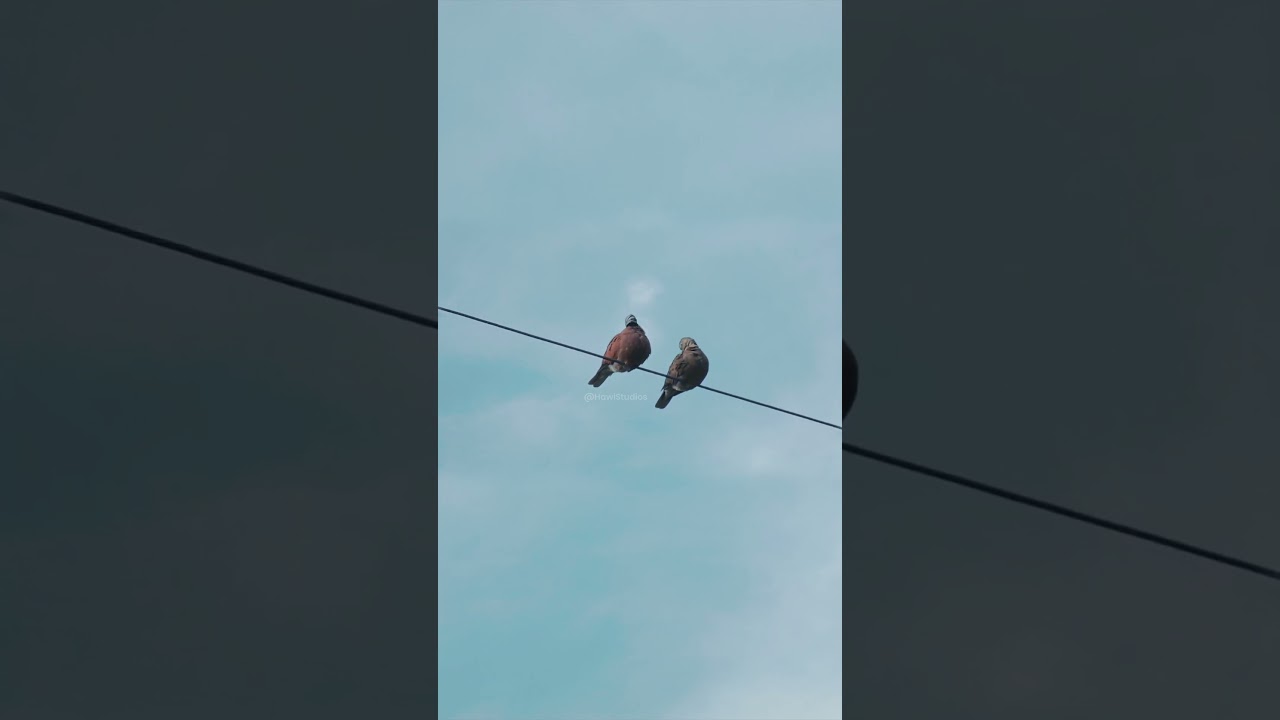
The Spotted Dove (Spilopelia chinensis) is a member of the Columbidae family known for its distinct white-spotted black collar and urban adaptability. These birds frequently utilize elevated perches like power lines to maintain situational awareness and facilitate social bonding within established pairs.
Key Field Takeaways
- Taxonomic Classification: Family Columbidae, Genus Spilopelia, Species Spilopelia chinensis.
- Perching Adaptation: Anisodactyl feet with a hallux allowing for a secure grip on narrow, artificial substrates like power lines.
- Social Structure: Primarily monogamous pairs that engage in cooperative resting and mutual vigilance.
- Geographic Range: Native to Asia, widely introduced in urban and agricultural environments globally.
| Attribute | Specification |
|---|---|
| Scientific Name | Spilopelia chinensis |
| Common Name | Spotted Dove |
| Conservation Status | Least Concern |
| Primary Diet | Granivorous (seeds, grains, fruits) |
| Habitat | Urban centers, gardens, woodlands |
| Key Adaptation | Distinctive white-spotted black neck patch |
Perching mechanics and urban adaptation
The Spotted Dove demonstrates remarkable proficiency in navigating urban environments. Their ability to remain stationary on thin, unstable structures like power lines relies on the anatomy of their feet. As members of the order Columbiformes, they possess anisodactyl feet, where three toes point forward and one (the hallux) points backward. This arrangement provides a powerful grip, allowing them to anchor themselves securely against wind gusts.
Perching on elevated wires serves a dual purpose: energy conservation and predator detection. By positioning themselves high above the ground, these birds minimize the risk of ambush by terrestrial predators like cats or snakes. Their visual system is highly attuned to motion, allowing them to scan the surrounding area for food while remaining in a resting state.
Social dynamics in pairs
The footage documents two Spotted Doves sharing a single perch, a common behavior reflecting their strong pair bonds. During these periods of rest, the birds engage in mutual vigilance. While one individual may focus on scanning for potential threats, the other often remains in a relaxed posture, demonstrating a cooperative approach to survival. This social interaction is essential for maintaining the pair bond throughout the breeding season.
Morphology and sensory structures
The most defining morphological feature of Spilopelia chinensis is the white-spotted black collar on the hindneck. This plumage pattern is not merely aesthetic, it functions as an essential signaling device during social interactions. The contrast of the white spots against the dark background enhances visibility, which is critical during courtship displays or when establishing dominance in a territory.
Their plumage is generally characterized by a mix of buff, brown, and grey tones, providing effective camouflage against urban masonry or tree bark. The birds maintain their feathers through regular preening, which is often performed while perched. This behavior ensures that their plumage remains in optimal condition for flight and thermoregulation, similar to the grooming observed in other avian species like the Emerald Dove.
Ecological niche and distribution
The Spotted Dove occupies a broad ecological niche, ranging from dense tropical forests to highly human-modified urban centers. Their success in these diverse habitats stems from a highly flexible foraging strategy. They are primarily granivorous, feeding on a wide variety of seeds, grains, and occasionally small fruits found on the ground or in low-lying vegetation.
Unlike many other urban birds, they show little hesitation in foraging near human activity, provided there is a safe retreat nearby. This behavioral plasticity has allowed them to thrive in human-dominated landscapes across Asia and beyond. Their presence contributes to the local ecosystem by assisting in seed dispersal, though they are also highly efficient at exploiting human-provided food sources.
Conservation and field status
The Spotted Dove is classified as Least Concern by the IUCN, reflecting their robust population numbers and extensive range. They face few significant threats, as their adaptability allows them to persist even in degraded habitats. In some regions, they are considered an invasive species due to their rapid colonization of new areas, but they remain a common and observable component of the avian community in their native range.