
Direct answer summary
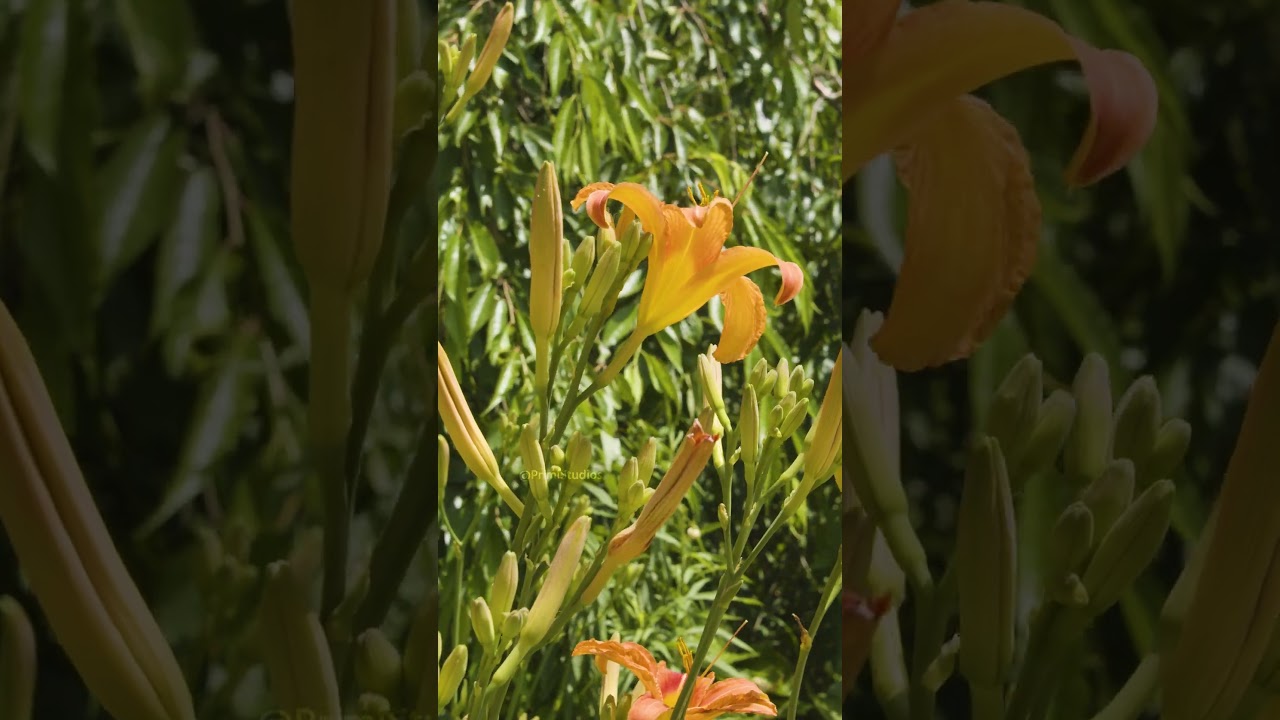
Tawny Daylily floral structure features six orange recurved tepals surrounding six long stamens and a central pistil that complete anthesis within a 24-hour window. This brief flowering duration forces rapid nectar secretion to attract insect pollinators during peak diurnal sunlight hours.
Key Field Takeaways
- Taxonomic Classification: Family Asphodelaceae, Genus Hemerocallis, Species Hemerocallis fulva.
- Primary Adaptation: Single-day anthesis lifespan with rapid perianth expansion and high nectar yield.
- Ecological Niche: Temperate grasslands, road verges, and forest margins supporting diurnal insect pollinators.
- Conservation Status: Least Concern globally, widely established across temperate zones.
| Taxonomic Characteristic | Field Observation Data |
|---|---|
| Scientific Name | Hemerocallis fulva |
| Common Name | Tawny Daylily |
| IUCN Conservation Status | Not Evaluated / Least Concern |
| Flowering Duration per Bloom | 12 to 24 hours (Diurnal anthesis) |
| Tepal Count &, Configuration | 6 recurved tepals (3 outer sepals, 3 inner petals) |
| Primary Pollination Vector | Diurnal Hymenoptera (bees) and Lepidoptera (butterflies) |
Diurnal anthesis and flower opening sequence
The flowering cycle of Hemerocallis fulva follows a rigid circadian rhythm known as diurnal anthesis. Unopened flower buds expand during the cool hours of early morning, driven by turgor pressure accumulation within the perianth cell walls. As ambient sunlight increases, the tepals unfurl rapidly, reaching full expansion before midday.
By late afternoon, the metabolic energy reserves within the individual blossom diminish. The cell membranes begin controlled senescence, causing the tepals to curl inward and dark yellow tissue degradation to set in. By nightfall, the single bloom has withered completely, leaving adjacent buds to prepare for opening the following morning.
Perianth anatomy and reproductive structures
The structural layout of Hemerocallis fulva contains six prominent tepals arranged in two distinct whorls. The outer three structures are modified sepals that shield the emerging bud, while the inner three are broader petals with wavy or pie-crust margins. Deep orange to reddish-tawny pigmentation saturates the mid-section, fading to yellow near the central throat of the flower.
Positioned centrally within the funnel-shaped blossom are six elongate stamens ending in dark brown, pollen-laden anthers. Surrounding the stamens is a single slender style ending in a small stigma surface. The elevation of the anthers above the base ensures that foraging insects brush against pollen grains before contacting nectar deposits deep within the flower tube.
Nectar rewards and pollinator attraction strategies
Despite the single-day lifespan of each blossom, Hemerocallis fulva allocates substantial metabolic resources into nectar production. Nectaries located near the ovary secrete a sugar-dense solution that pools at the bottom of the perianth tube. Visual cues, such as contrasting yellow throat throat markings, direct incoming insects toward these rewards.
Bumblebees, solitary bees, and butterflies frequent the blossoms during warm afternoon hours. As insects land on the lower tepals to access nectar, their bodies contact the exerted anthers, picking up sticky pollen grains. Similar leaf structures and environmental water absorption principles can be examined in studies on plant hydro-dynamics within temperate microhabitats.
Vegetative spread and rhizomatous growth patterns
While individual flowers last only 24 hours, a mature patch of Hemerocallis fulva persists for decades through robust subterranean root systems. Thick, tuberous rhizomes store starch and moisture, allowing plants to survive drought, soil compaction, and severe winter freezes. A single plant clump expands outward continuously, producing numerous green scapes throughout early summer.
Each flower scape carries anywhere from 10 to 20 individual buds that mature sequentially. This staggered development ensures continuous floral displays over a three-to-four-week flowering season. The surrounding vegetation provides shelter for avian wildlife, such as patterns documented in Spotted Dove behavior near field margins.
Trophic connections and ecosystem interactions
The dense foliage and floral yield of Hemerocallis fulva create microhabitats for ground invertebrates and soil organisms. Below the surface, the fibrous root masses stabilize soil slopes, reducing erosion during heavy rains. Herbivorous insects, including specialized aphids and beetles, consume leaves and stems, contributing to local food webs.
Overhead, foraging ants traverse the stems to collect floral secretions or prey on smaller arthropods, operating in ways comparable to foraging movements observed in a red wood ant colony. The decaying floral tissue from expired blooms falls to the leaf litter, transferring nitrogen back into the topsoil environment.
How long does an individual Tawny Daylily bloom last?
An individual Tawny Daylily flower remains open for approximately 12 to 24 hours. Anthesis begins at sunrise, and the perianth wilts by nightfall of the same day.
What is the scientific name of the Tawny Daylily?
The botanical binomial name for the Tawny Daylily is Hemerocallis fulva, belonging to the family Asphodelaceae.
How does Hemerocallis fulva reproduce if individual flowers fade quickly?
Hemerocallis fulva reproduces vegetatively through vigorous underground rhizomes while simultaneously producing dozens of sequential buds on each flower scape across a multi-week blooming season.
Which pollinators visit Tawny Daylily flowers?
Diurnal insects including bumblebees, honeybees, and butterflies visit the flowers to gather nectar from the base of the perianth tube, transferring pollen between stamens and stigmas.